Houston metro · county hub
Concrete Patio Cleaning in Brazoria County, TX
Local cleaning advice, costs and vetted pros across Brazoria County.
A County With Two Personalities
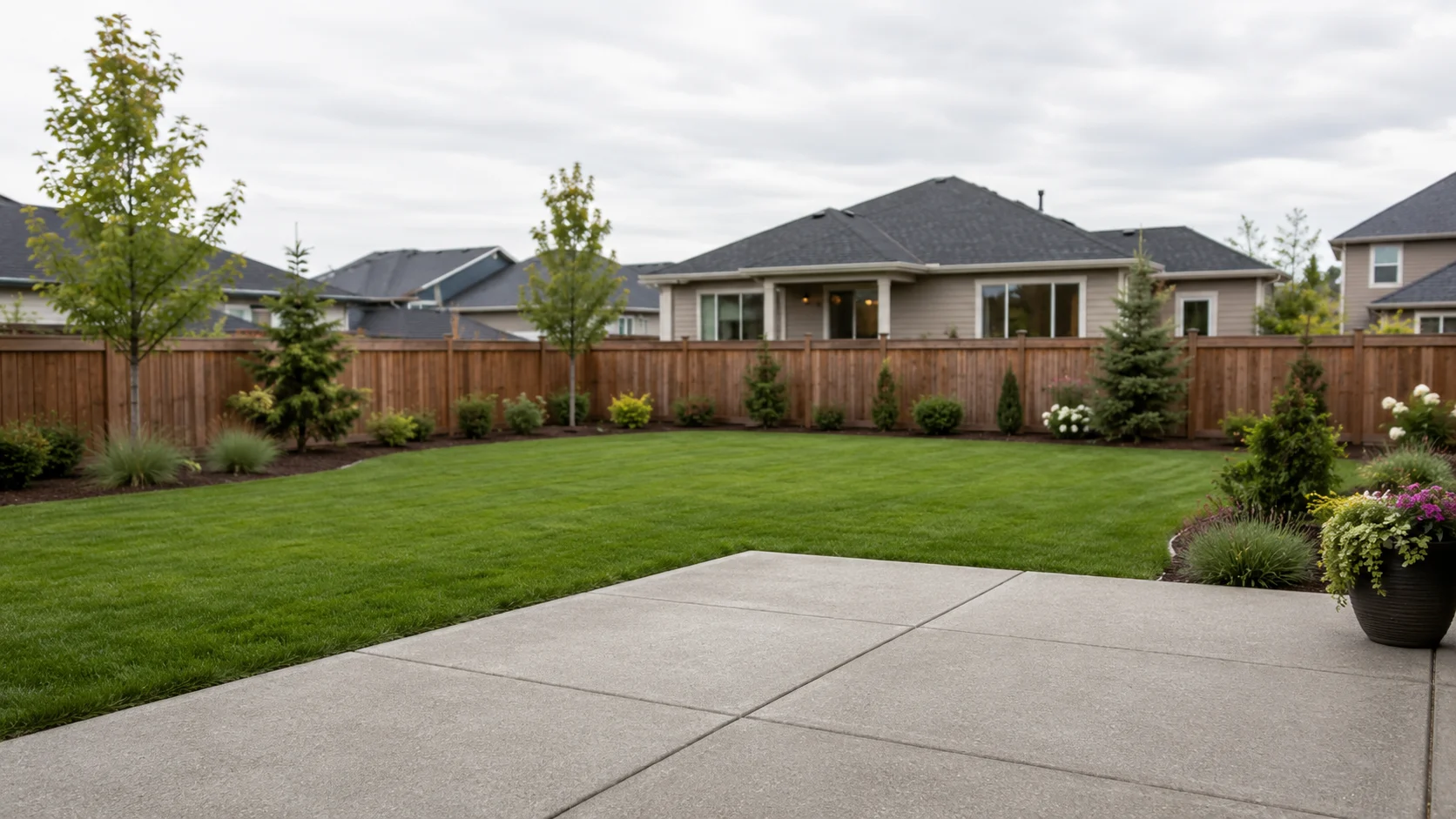
Brazoria County does not have a single look, a single age of construction, or a single kind of patio. It has at least two, and they sit close enough together that you can drive from one to the other in twenty minutes. Up at the county's northern edge, where it laces into the southern reach of greater Houston, you find the newer master-planned story: Pearland and Manvel, with their broad subdivisions, fresh stamped-concrete patios, oversized covered porches, and pool decks that were poured within the last decade or two. Drop south and the story changes. Lake Jackson, Angleton, Alvin, and Friendswood carry an older coastal-plain character, with established neighborhoods, smaller poured slabs behind modest homes, side walks that have weathered a few decades, and the kind of unassuming back patios that have hosted a long run of crawfish boils and summer evenings.
This split personality is the single most useful thing to understand before you hire anyone to clean concrete here. A pressure-washing approach that suits a freshly stamped Manvel pool deck is not automatically right for a thirty-year-old Angleton slab, and a cleaner who only works on one kind of surface may not register the difference. Brazoria County rewards people who pay attention to what is actually under their feet, because the county hands you both ends of the spectrum, sometimes on the same street.
Why the Humidity Here Never Really Lets Go
The thing that ties the whole county together, new growth and old town alike, is the air. Brazoria County sits on the coastal plain, close enough to the Gulf that humidity is not a season here, it is a baseline. Moisture hangs in the air for long stretches of the year, dew settles heavy on shaded concrete most mornings, and surfaces that should dry out in a few hours instead stay damp well past midday. For concrete, that is the whole ballgame. Algae, mildew, and the black and green film that creeps across patios and walkways are living things, and they need exactly what this county supplies in abundance: moisture, warmth, and shade. They do not need much else.
What that means in practice is that organic growth comes back faster here than it does farther inland. You can clean a patio in a drier climate and buy yourself a long stretch of clean concrete. Near the coast, the same patio starts showing a faint green or gray return far sooner, especially on the north-facing side of the house, under a pergola, beneath the drip line of a live oak, or anywhere a fence or a neighboring wall blocks the afternoon sun. Homeowners across Brazoria County often describe the same frustration: they cleaned it last year, it looked great, and now it is slick and discolored again. That is not a sign anyone did the job wrong. It is the relentless humidity of the coastal plain doing exactly what it does, and it is the reason a maintenance mindset beats a one-and-done mindset in this part of Texas.
The Cities This Directory Covers
This hub connects you with concrete and patio cleaning across the spread of communities that give Brazoria County its character. Pearland and Manvel anchor the newer master-planned end, where larger patios, covered outdoor living areas, and pool decks are common and where stamped and decorative concrete shows up frequently. Friendswood, straddling the county's northern boundary, brings its own blend of established and newer homes, often with mature tree cover that keeps patios shaded and slow to dry. Alvin mixes small-town slabs with newer construction along its edges. And down toward the heart of the coastal plain, Lake Jackson and Angleton carry the older, more settled feel, with poured slabs and walkways that have seen real decades of weather. Whatever corner of the county you are in, the cleaning conversation should start with the age and exposure of your particular surface, not a generic countywide assumption.
When to Clean on the Coastal Plain
Timing matters more here than it does in a drier climate, because the window between "clean" and "slick again" is shorter. For most Brazoria County patios, late spring into early summer is a sensible time for the main annual cleaning, ahead of the heaviest entertaining months and after the wettest, dampest stretch of the year has fed a winter and spring of growth. A second lighter pass in early fall is reasonable for shaded or heavily used surfaces, knocking back the buildup before it gets established.
The practical signal to watch for is not the calendar, though, it is the surface itself. If a patio or walkway feels slippery underfoot when wet, if the green or black film is visible, or if water sheets rather than beads on it, it is time. Because the humidity never fully relents here, many households settle into a rhythm of cleaning shaded, north-facing, and tree-covered areas more often than the open sunny stretches, which dry faster and stay clean longer. Letting the high-exposure spots set your schedule, rather than the whole patio at once, is often the more efficient call.
Cleaning Versus Sealing Where Moisture Barely Lets Up
Cleaning and sealing are two different jobs, and in a humid coastal-plain county the relationship between them deserves a careful eye. Cleaning removes the algae, mildew, dirt, and stains sitting on or in the surface. Sealing applies a protective layer that can slow how quickly grime and growth take hold and make future cleaning easier. On newer decorative and stamped concrete, the kind common in Pearland and Manvel, a quality seal is often part of the original finish and is worth maintaining, because it protects the look those surfaces were installed for.
The catch is moisture. A sealer should only go down on concrete that is genuinely clean and genuinely dry, and "dry" is the hard part here. Sealing over trapped moisture or over a film of organic growth can lock problems in rather than out, leading to cloudiness, peeling, or growth blooming underneath the coating. That is why a good local pro will not rush from cleaning straight to sealing on a damp morning. They will clean, let the slab dry thoroughly, and seal during a stretch of drier, sunnier weather. On older small-town slabs in Angleton or Lake Jackson, sealing is sometimes optional rather than essential, and a straightforward periodic cleaning is enough. The right answer depends on the surface, and an honest assessment beats an automatic upsell.
What Drives Cost Locally
Pricing for concrete and patio cleaning in Brazoria County tends to track a handful of straightforward factors rather than any single flat rate. Size is the biggest lever, and the county's split housing stock makes the range wide. The larger patios, expansive pool decks, and covered outdoor rooms common to the newer master-planned neighborhoods take more time and material than the compact back slabs of older coastal-plain homes, so the two ends of the county naturally land at different price points.
Severity is the second driver. A surface with light, recent film cleans quickly, while one with years of built-up algae, deep-set stains, or heavy mildew in the pores takes more work and sometimes more than one pass. The age and condition of the concrete matters too: an older, more porous, or already-cracked slab calls for a gentler, more careful approach than a newer dense one, and decorative or stamped finishes require lower-pressure soft-washing techniques rather than aggressive blasting, which protects the surface but adds time. Add-ons such as sealing, sanded joint restoration, or treating a recurring problem area will move the number as well. As a rough orientation, smaller residential patio cleanings often fall in the lower hundreds, while large pool decks, long driveways, or combined cleaning-and-sealing jobs run higher; the only reliable figure is a quote from someone who has looked at your actual surface.
What to Ask a Pro
A few questions sort the careful operators from the rest in this county. Ask whether they soft-wash or pressure-wash, and how they decide which to use, because the answer should depend on your surface, not their default. Ask how they will handle decorative, stamped, or older porous concrete specifically. Ask what they do about recurring algae and mildew, since in this humidity the honest answer involves managing regrowth, not promising it will never return. If sealing is on the table, ask how they confirm the slab is dry enough and what weather window they need. Finally, ask what kind of return you should realistically expect on shaded, north-facing areas, and listen for an answer that respects how the coastal-plain climate actually behaves.
Common Patio Surfaces Across the County
Because Brazoria County spans newer master-planned growth and older settled towns, the surfaces a cleaner encounters run the full range. In the newer Pearland and Manvel neighborhoods you will frequently find broom-finished and stamped concrete patios, decorative or stained pool decks, and large covered outdoor living areas. Across the older communities of Angleton, Lake Jackson, Alvin, and the established parts of Friendswood, plain poured slabs, aged concrete walkways, and modest back patios are the norm, sometimes paired with brick or paver edging that has settled over time. Each surface responds differently to pressure, cleaning agents, and sealing, which is exactly why the county's two-sided character makes a thoughtful, surface-first cleaner worth finding.
Typical cost in Brazoria County
What a patio cleaning runs here
$150 – $208
Standard clean, ~300 sq ft, moderate algae and mildew.
$428 – $1,153
Same job, cleaned and sealed to slow Gulf Coast regrowth.
Pick your city below for an exact local estimate and one free quote.
Cities we serve in Brazoria County
6 towns covered
Common questions
Patio cleaning in Brazoria County
Why does my Brazoria County patio turn green again so quickly after cleaning?+
Because you are on the coastal plain, close to the Gulf, where humidity barely lets up. Algae and mildew are living organisms that thrive on the moisture, warmth, and shade this climate supplies year-round. Shaded, north-facing, and tree-covered areas hold dampness longest and regrow fastest. Fast return is normal here and is best handled with a regular maintenance rhythm rather than a single yearly cleaning.
Should a new stamped patio in Pearland or Manvel be cleaned differently than an older Angleton slab?+
Yes. Newer stamped and decorative concrete, common in the county's master-planned neighborhoods, needs gentle soft-washing to protect its finish and any existing sealer. Older poured slabs in Angleton, Lake Jackson, or Alvin can often take a more standard cleaning but may be porous or cracked, calling for care. A good local pro chooses the method based on your specific surface, not a one-size-fits-all default.
When is the best time to clean concrete in this humid coastal climate?+
Late spring into early summer works well for the main annual cleaning, after the dampest months have fed growth and before peak entertaining season. A lighter early-fall pass helps shaded areas. Honestly, the surface tells you more than the calendar: if it feels slick when wet or shows green or black film, it is time. High-exposure shaded spots usually need cleaning more often than open sunny areas.
Is sealing worth it when the humidity here never lets up?+
Often yes, especially on newer decorative or stamped surfaces, since a good seal slows how fast grime and growth take hold and makes future cleaning easier. The key is moisture: the slab must be fully clean and dry first, and sealing should happen during a drier, sunnier stretch. Sealing over damp concrete can trap problems underneath. On older plain slabs, periodic cleaning alone is sometimes enough.
What makes patio cleaning cost more or less around Brazoria County?+
Size is the biggest factor, and the county's range is wide, from compact older back slabs to large new pool decks and covered outdoor rooms. Severity matters next: heavy, years-old algae and staining take more work than light recent film. Surface age and type, plus add-ons like sealing or joint restoration, also move the price. Smaller patio cleanings often run in the lower hundreds, larger or combined jobs higher.
My pool deck is large and stays slick. What should I ask a cleaner?+
Ask whether they soft-wash or pressure-wash and how they decide, since large decorative pool decks need a gentler approach. Ask how they treat recurring algae in shaded, damp areas, and listen for a realistic answer about regrowth rather than a promise it will never return. If sealing comes up, ask how they confirm the surface is dry enough and what weather window they need to do it right.