Driveway cleaning · Florida · county hub
Driveway Cleaning in Collier County, FL
HOA-compliance help, local costs and vetted pros across Collier County.
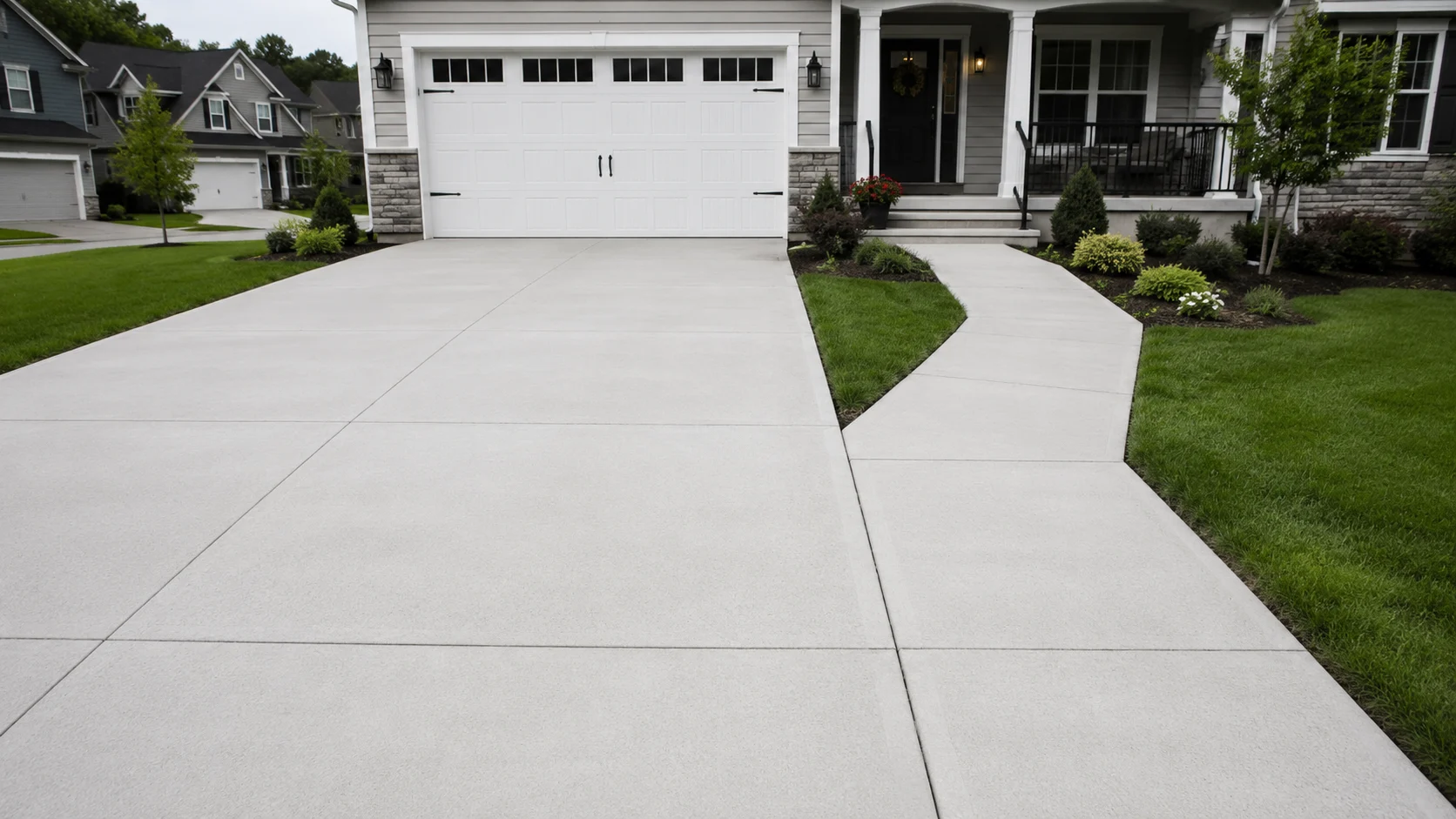
Driveway Cleaning in Collier County: Built for Naples and Marco Island's Coastal, High-End Paver Standard
Collier County driveways set a different bar than almost anywhere else in Florida. Along the Naples Gulf shore, on the canals and bridges of Marco Island, and in the master-planned streets of Ave Maria, the driveway is rarely an afterthought. It is the first hard surface a guest sees, the frame for an architecturally designed front elevation, and in many neighborhoods, the single largest expanse of decorative hardscape on the property. Clay pavers laid in a herringbone field, travertine in a French pattern, large-format porcelain, exposed shell-aggregate, and tinted stamped concrete are all common here in a way they simply are not in inland counties. That premium surface mix, combined with a humid coastal climate and gated communities that hold owners to exacting appearance standards, makes driveway cleaning in Collier County a specialized job rather than a generic pressure-washing call.
This page is a practical guide for homeowners and property managers in Naples, Marco Island, Ave Maria, and the surrounding Collier communities. It covers the appearance rules you are likely answering to, the specific staining problems the coastal environment creates, how often to clean, why soft washing and paver re-sanding matter for these surfaces, what drives the price, and the questions worth asking before you hire anyone.
HOA and Gated-Community Appearance Standards Come First
In much of Collier County, the practical reason to clean a driveway on schedule is not curb appeal in the abstract. It is the governing documents you agreed to. A large share of homes in Naples and Marco Island sit inside gated and golf communities with detailed architectural and maintenance covenants, and many of those documents specifically address driveways, walkways, and entry hardscape. Visible black streaking, mildew, rust runs, and oil staining are routinely cited as maintenance violations.
The pattern is predictable. An association or community-standards inspector drives the streets, photographs surfaces that look stained or streaked, and mails a courtesy notice or a formal violation letter with a cure-by date. If the driveway is not corrected in time, follow-up letters and, in some communities, fines can follow. Because Collier's higher-end neighborhoods tend to enforce consistently, a driveway that would pass without comment elsewhere can draw a notice here. The smart approach is to treat cleaning as preventive maintenance on a calendar rather than a reaction to a letter. Property managers handling multiple Naples or Marco units often standardize a recurring schedule precisely so no single driveway slips far enough to trigger a notice. If you have already received a letter, keep the cure date in mind when you book, since reputable local crews stay busy and the best windows fill quickly.
The Florida Problem, With a Coastal and Paver Twist
Every Florida driveway fights heat, humidity, and biological growth. Collier County adds salt air and a heavy share of jointed paver surfaces, and that combination changes both the problem and the fix.
The most common culprit behind that dingy gray-to-black look is Gloeocapsa magma, a hardy algae that thrives in warm, humid, salt-laden coastal air. It feeds on dust, pollen, and airborne organics, and it spreads as dark patches and streaks that many owners mistake for ordinary dirt. On the Gulf side, near-constant humidity and salt deposition give it an ideal environment, and it returns faster here than in drier inland areas. Alongside it you will see true mold and mildew in shaded spots, plus green algae anywhere irrigation overspray keeps the surface damp.
Pavers make this harder in a specific way. The joints between pavers, filled with sand, are a perfect harbor for spores, weed seeds, and moss. Growth often starts in the joint lines and spreads outward, which is why a paver driveway can look streaked along its seams even when the paver faces themselves still appear relatively clean. Cleaning the surface without addressing the joints leaves the problem half-solved and invites a fast return.
Other recurring Collier stains include:
- Irrigation rust. Iron and minerals in well and reclaimed irrigation water leave orange-brown stains and fan-shaped spray marks on pavers and concrete near heads. These are mineral stains, not dirt, and they require a rust-specific treatment rather than pressure alone.
- Pollen and organic film. Seasonal pollen and the constant fall of leaves and berries from landscaping leave a yellow-green film that feeds algae if left in place.
- Oil, grease, and tire marks. Drips from vehicles and hot-tire pickup that lifts sealer or pulls dirt into a dark scuff. On light travertine, porcelain, and tinted concrete these stains are highly visible and need a dedicated degreaser.
- Salt and efflorescence. Coastal salt and the natural white haze that migrates out of pavers and concrete can leave a chalky film, especially near the coast.
Because Naples and Marco Island homes lean toward light-colored, decorative surfaces, all of these stains read more sharply than they would on plain gray concrete, which is one more reason owners here clean proactively.
When to Clean in Collier County
There is no single correct interval, but the coastal climate pushes most Collier driveways toward more frequent attention than inland Florida. A reasonable framework:
- Annual cleaning suits driveways in sunnier, well-drained spots with little tree cover and good drainage.
- Every six to nine months fits the majority of Naples and Marco Island driveways, particularly those near the water, under canopy, or shaded for part of the day.
- More often than that may be warranted for heavily shaded entries, surfaces with chronic irrigation overspray, or any driveway already under an HOA notice.
Watch for early signals rather than waiting for solid black: faint gray streaking, green tinting in shaded corners, darkening along paver joints, or rust fans near sprinkler heads. Acting at the streak stage is faster, gentler on the surface, and far cheaper than waiting for an entrenched mat of growth.
Soft Washing vs. Pressure Washing, and Sealing Pavers
The method matters as much as the schedule, especially on premium surfaces. High-pressure washing can clean concrete, but on pavers, travertine, and decorative coatings it can etch the surface, blast joint sand out of the seams, blow apart stamped-concrete sealer, and leave permanent wand marks. For most Collier driveways, the professional standard is soft washing: a low-pressure application of cleaning solution that kills algae, mold, and mildew at the root, followed by a gentle rinse. Because soft washing treats the organism rather than just blasting off the visible layer, results last noticeably longer than a pressure-only pass.
On pavers, the better crews follow cleaning with two extra steps. First, they re-sand the joints, since cleaning inevitably removes some joint material; many use polymeric sand that hardens to resist weeds and washout. Second, they may recommend sealing. A quality paver sealer locks in joint sand, deepens color, repels oil and salt, and makes the next cleaning easier. Sealers are not permanent and typically need renewal every couple of years in this climate, but on a decorative driveway they protect a significant investment. Travertine and porcelain have their own care requirements, and tinted or stamped concrete needs sealer-safe products, so it is worth confirming any contractor knows your specific surface.
What Drives the Cost
Collier driveway pricing reflects the surfaces and conditions common here. The main factors:
- Size and car count. Square footage is the baseline. A two-car driveway is a different job from a circular drive, a three-car spread, or a long gated approach.
- Surface type. Pavers, travertine, porcelain, and decorative concrete carry a premium over plain concrete because they need lower pressure, more careful technique, joint re-sanding, and often sealing.
- Severity. A lightly streaked driveway on a maintenance schedule costs less per visit than a heavily matted, long-neglected surface that needs extra treatment and dwell time.
- Add-on stains. Oil and grease removal and irrigation rust treatment are specialized line items beyond a standard wash, because they require dedicated products and extra labor.
- Sealing. Paver re-sanding and sealing are separate services that add to the total but extend the clean and protect the surface.
The cheapest bid is often a pressure-only pass that ignores joints, rust, and sealing, which is exactly the work that protects a decorative driveway. Compare scope, not just price.
What to Ask Before You Hire
A few questions quickly separate a careful local pro from a generic operator:
- Do you soft wash decorative and paver surfaces, or only pressure wash?
- Are you licensed and insured for work in my community, and can you meet gated-community access and scheduling requirements?
- Do you re-sand paver joints after cleaning, and do you offer sealing?
- Can you treat irrigation rust and oil stains specifically, or only general dirt and algae?
- What results should I expect on travertine, porcelain, or tinted stamped concrete?
- How do you protect landscaping and control runoff during the wash?
Common High-End Driveway Surfaces in Collier County
Knowing your surface helps you hire correctly. The driveways you will most often find across Naples, Marco Island, and Ave Maria include clay and concrete pavers in herringbone or basket-weave patterns, natural travertine in French or modular layouts, large-format porcelain pavers, exposed shell or stone aggregate, and tinted or stamped decorative concrete. Each has its own cleaning sensitivity, its own joint and sealing needs, and its own way of showing stains. Matching method to surface, on a sensible schedule, is what keeps a Collier County driveway looking the way the neighborhood expects it to.
Typical cost in Collier County
What a driveway cleaning runs here
$130 – $288
Standard clean, ~600 sq ft (two-car), moderate algae and mildew.
$648 – $1,788
Same job, cleaned and sealed to slow Florida regrowth.
Pick your city below for an exact local estimate and one free quote.
Cities we serve in Collier County
3 places covered
Common questions
Driveway cleaning in Collier County
My driveway is pavers. Can I just pressure wash it?+
You can, but it is risky on Naples and Marco Island paver driveways. High pressure blasts the sand out of the joints and can etch or chip paver faces, leaving wand marks. The better approach is soft washing to kill algae at the root, followed by re-sanding the joints and, ideally, sealing. That protects the surface and makes growth slower to return on your next cleaning.
Why does my Collier County driveway get black and streaky so fast?+
Salt air and constant humidity along the Gulf create ideal conditions for Gloeocapsa magma, a hardy black algae that feeds on dust and pollen. On pavers it also colonizes the sand-filled joints, so streaking spreads from the seams outward. It is biological growth, not ordinary dirt, which is why soft washing that treats the organism lasts far longer than a quick pressure rinse.
How often should I clean my driveway here?+
Most Naples and Marco Island driveways do well on a six-to-nine-month cycle because of coastal humidity and shade. Sunny, well-drained drives may stretch to once a year, while heavily shaded entries or those with irrigation overspray may need more frequent attention. If you are under an HOA notice, clean immediately and then set a recurring schedule so it does not recur.
Can the HOA really cite me for a dirty driveway?+
Yes. Many Collier County gated and golf communities have covenants that treat visible algae, mildew, rust, and oil staining as maintenance violations. Inspectors photograph stained surfaces and mail courtesy or formal violation notices with a cure-by date, and some communities can fine for non-compliance. Keeping the driveway on a regular cleaning schedule is the simplest way to avoid letters entirely.
What does driveway cleaning cost in Collier County?+
Price depends on size and car count, surface type, and how bad the staining is. Plain concrete is cheapest; pavers, travertine, porcelain, and decorative concrete cost more because they need low-pressure technique, joint re-sanding, and often sealing. Oil and irrigation-rust removal are separate add-ons. Expect a basic soft wash to start around $150-$300, with paver re-sanding and sealing priced separately.
What are those orange stains near my sprinklers?+
Those are irrigation rust stains from iron and minerals in well or reclaimed water, often in fan shapes where the spray lands. They are mineral deposits, not dirt, so pressure washing alone will not remove them. They need a rust-specific treatment, which most pros price as an add-on. Adjusting sprinkler heads away from the driveway helps prevent them from coming back.