Driveway cleaning · Florida · county hub
Driveway Cleaning in Hillsborough County, FL
HOA-compliance help, local costs and vetted pros across Hillsborough County.
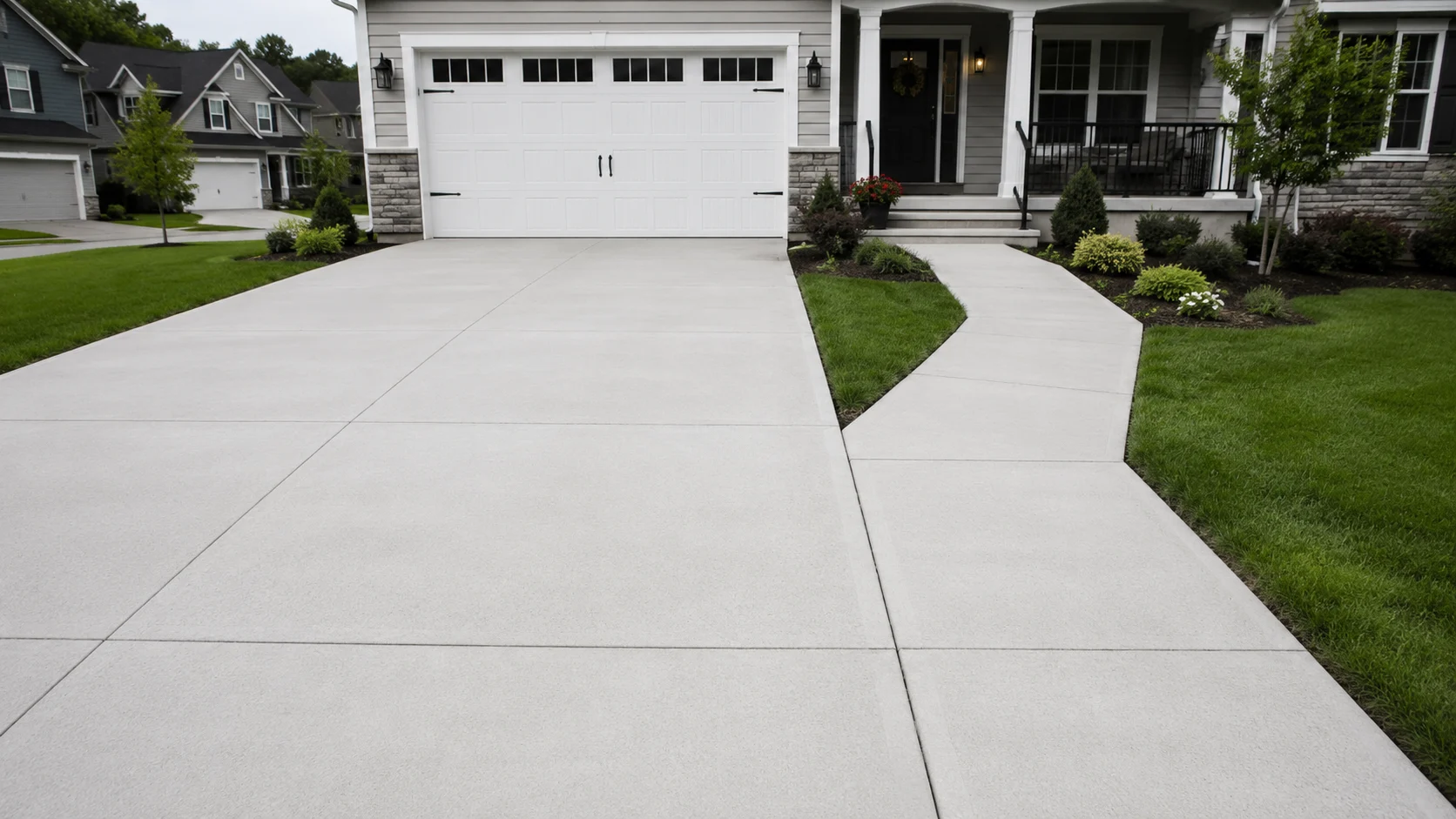
HOA Driveway Violations Are a Hillsborough County Fact of Life
If you live in one of Hillsborough County's master-planned communities, the most common reason your driveway needs cleaning isn't aesthetics, it's a letter. Across the deed-restricted suburbs that ring Tampa, homeowners associations actively patrol street-facing surfaces, and a driveway streaked with black algae or a sidewalk gone green is one of the fastest ways to land a courtesy notice, then a formal violation, then a fine. Communities like FishHawk, Westchase, and Apollo Beach were built around tidy, uniform curb appeal, and the governing documents that came with your closing packet usually spell out that driveways, walkways, and entry approaches must be kept clean and free of mildew, stains, and algae. The enforcement here is not theoretical. In Riverview, Brandon, and Valrico, monthly or quarterly compliance drive-throughs are routine, and a dark-streaked driveway stands out the moment an inspector rolls down the street.
This is the headline issue for Hillsborough County homeowners, and it changes how you should think about driveway cleaning. It is not a once-every-few-years deep clean you can put off indefinitely. It is ongoing maintenance you schedule on a cadence, because the climate here will undo a fresh cleaning faster than almost anywhere else in the country. Understanding why the staining comes back so quickly, and what actually keeps it away, is the difference between cleaning your driveway once a year and cleaning it every time the HOA sends a reminder.
Why Tampa Bay's Climate Wrecks Driveways So Fast
Hillsborough County sits in a humid subtropical band where the flatwoods landscape, frequent afternoon rain, and year-round warmth create nearly perfect conditions for biological growth on concrete and pavers. The single biggest culprit is Gloeocapsa magma, a cyanobacteria that shows up as those dark gray and black streaks creeping across driveways, roofs, and walkways. It feeds on moisture, airborne dust, and the limestone dust embedded in concrete, and in this climate it can establish a visible colony within weeks of a surface being cleaned. Where northern states see this kind of growth slowly over years, Tampa-area homeowners watch it bloom in a single rainy season. Shaded driveways, north-facing approaches, and surfaces under oak canopy in older parts of Brandon and Lutz are hit hardest because they stay damp longest.
Black algae is only part of the picture. The same humidity that feeds it also drives general mold and mildew, which gives concrete a dingy gray-green cast and makes pavers slippery underfoot. Then there is rust. A large share of Hillsborough County irrigation runs on well water or reclaimed water that carries dissolved iron, and when sprinkler heads throw overspray across a driveway day after day, that iron oxidizes into stubborn orange and brown rust stains. You will see the telltale fan-shaped or arc-shaped orange patterns near sprinkler zones in countless yards across Apollo Beach, Riverview, and Valrico. These rust stains do not respond to ordinary soap, pressure, or algae treatments. They require a dedicated oxalic or specialty rust-removal product, which is why rust is almost always priced as a separate add-on.
Spring brings its own headache. Tampa Bay's heavy oak and pine pollen seasons coat everything in a yellow-green film, and when that pollen settles into the pores of concrete and mixes with humidity, it both stains and feeds the next round of algae growth. Finally, there is the everyday problem of oil and grease. Cars parked on the same spot leak small amounts of motor oil and transmission fluid that soak into porous concrete, leaving dark shadows that get worse with summer heat. In two-car households, which describe most homes in these suburbs, you often end up with two distinct oil shadows that need degreasing and hot-water treatment before the surface looks uniform again.
The Hillsborough County Communities We Cover
This hub connects homeowners with driveway cleaning pros across the county's busiest suburban corridors. We cover Riverview and Brandon along the I-75 and SR-60 growth belt, Valrico with its mix of newer subdivisions and established acreage, and FishHawk, the large planned community south of Lithia where deed restrictions and uniform curb appeal are central to the neighborhood's design. To the south, Apollo Beach brings waterfront and canal-front homes where salt air and irrigation overspray combine to accelerate staining. In the northwest, Westchase is one of the county's most established master-planned communities with notably active compliance expectations, and Lutz rounds out the north end with its blend of subdivision living and larger lots. Each of these areas has its own dedicated page, but they share the same core reality: subtropical humidity plus HOA scrutiny means driveways need regular, deliberate care.
When to Clean a Driveway in This Climate
Because growth never truly stops here, most Hillsborough County homeowners benefit from cleaning at least once a year, and many in heavily shaded or HOA-strict communities do it twice. A practical rhythm is a thorough clean heading into the dry winter months when results last longest, and a touch-up after spring pollen and before the summer rainy season ramps up biological growth. If you have already received an HOA notice, the clock matters. Notices typically give a window of a couple of weeks to a month to correct the issue, so scheduling promptly, before a courtesy notice escalates to a fine, is the smart move.
Soft Washing vs. Bare Pressure Washing
This is the most important technical decision, and getting it wrong is why so many driveways look bad again within weeks. High-pressure washing alone blasts off the visible surface layer of algae and grime, so the driveway looks clean the day it is done. But pressure does not kill the organism. The spores and root structures of Gloeocapsa magma remain in the concrete pores, and in Tampa's humidity they regrow fast, often returning darker than before. Bare high pressure also etches and roughens concrete and can blow the sand out of paver joints, which leads to shifting and weed growth.
The better approach for this climate is soft washing, which uses a cleaning solution, typically a sodium hypochlorite mix with surfactants, to chemically kill the algae, mold, and mildew at the root, followed by low-pressure rinsing. Because the growth is killed rather than just knocked off, results last dramatically longer, frequently several times longer than pressure-only cleaning. A quality pro will combine soft-wash chemistry with controlled surface cleaning for an even finish, and will treat rust and oil with separate dedicated products rather than hoping pressure alone handles them. When you call for quotes, confirm the company soft washes rather than relying on raw pressure.
Sealing and Keeping Results Longer
After a driveway is properly cleaned, sealing it can meaningfully slow the return of stains. A penetrating or film-forming sealer fills the pores that algae, oil, and rust exploit, making future cleanings easier and less frequent. Pavers especially benefit from re-sanding the joints and applying a joint-stabilizing sealer, which locks the sand in place and resists weeds. Sealing is an optional add-on, not a requirement, but in a climate this aggressive it often pays for itself in reduced cleaning frequency, which is exactly what you want if your HOA is watching.
What Drives Driveway Cleaning Cost Locally
Pricing in Hillsborough County varies with a handful of clear factors:
- Size and layout. A standard two-car driveway costs less than a long approach, a three-car spread, or a driveway plus connected walkways and entry.
- Car count and oil severity. More parked vehicles means more oil shadows to degrease, and deep, old oil stains add to the price.
- Surface type. Broom-finished concrete is the most common and most economical to clean. Pavers take longer because of joints and re-sanding, and stamped or decorative concrete needs gentler handling.
- Stain severity. A lightly graying driveway is cheaper than one with heavy black-algae streaking that needs stronger treatment and dwell time.
- Rust and add-ons. Sprinkler rust removal, sealing, and re-sanding are typically priced separately on top of the base clean.
Common Driveway Surfaces in Local Housing Stock
Most homes across these suburbs have broom-finished poured concrete driveways, which are durable but porous and prone to algae and oil staining. Newer and upscale subdivisions in FishHawk, Westchase, and parts of Apollo Beach frequently use brick or concrete pavers, which look great but trap growth in the joints and need re-sanding after cleaning. Decorative and stamped concrete shows up at entries and pool decks and calls for a softer touch to protect the finish. Knowing which surface you have helps you ask the right questions and get an accurate quote.
What to Ask a Driveway Cleaning Pro
- Do you soft wash to kill algae at the root, or only pressure wash?
- Is rust removal from sprinkler overspray included or a separate charge?
- How do you treat oil and grease stains under parked cars?
- For pavers, do you re-sand the joints afterward?
- Do you offer sealing, and would it help my surface last longer?
- Are you insured, and how long do your results typically hold in this climate?
Ask those questions, schedule on a regular cadence, and choose a pro who treats the root cause rather than just the surface, and you will keep your Hillsborough County driveway clean, your curb appeal sharp, and those HOA notices out of your mailbox.
Typical cost in Hillsborough County
What a driveway cleaning runs here
$130 – $288
Standard clean, ~600 sq ft (two-car), moderate algae and mildew.
$648 – $1,788
Same job, cleaned and sealed to slow Florida regrowth.
Pick your city below for an exact local estimate and one free quote.
Cities we serve in Hillsborough County
7 places covered
Common questions
Driveway cleaning in Hillsborough County
Why does my HOA keep sending driveway violation notices in Hillsborough County?+
Most master-planned communities here, including FishHawk, Westchase, and Apollo Beach, have deed restrictions requiring driveways to stay free of algae, mildew, and stains. Compliance inspectors drive through regularly, and Tampa's humidity grows dark black-algae streaks within weeks. A streaked driveway is one of the easiest violations to spot, so notices are common. Cleaning promptly after a courtesy notice usually prevents escalation to a fine.
How do I get rid of orange rust stains from my sprinklers?+
Those orange fan-shaped stains come from iron in well or reclaimed irrigation water oxidizing on the concrete. Regular soap and pressure won't touch them. They need a dedicated rust remover, usually an oxalic or specialty acid product, applied separately. Most pros price rust removal as an add-on. Adjusting sprinkler heads so overspray misses the driveway helps prevent the stains from coming back.
Will pressure washing alone keep my driveway clean?+
Not for long in this climate. High pressure removes the visible surface layer but leaves the algae spores and roots in the concrete pores, so in Tampa's humidity the black streaks regrow within weeks, often darker. Soft washing uses a cleaning solution to kill the growth at the root, then a gentle rinse, so results last several times longer. Always ask if a company soft washes.
How often should I clean my driveway in the Tampa area?+
Because biological growth never really stops here, plan on cleaning at least once a year, and twice if your driveway is shaded or your HOA is strict. A good rhythm is a thorough clean heading into the dry winter, then a touch-up after spring pollen and before the summer rainy season. Sealing afterward can stretch the time between cleanings noticeably.
How do you remove oil stains under where I park?+
Oil and transmission fluid soak into porous concrete and leave dark shadows that worsen in summer heat. Removing them takes a dedicated degreaser, dwell time, and ideally hot-water treatment rather than just pressure. In two-car households you often have two separate stains to treat. Deep, old oil stains add to the cost since they require stronger products and may need more than one pass.
What affects the price of driveway cleaning here?+
The main cost drivers are driveway size and layout, the surface type (broom-finished concrete is cheapest; pavers cost more due to joint re-sanding), and stain severity, since heavy black-algae streaking needs more treatment. Add-ons raise the total: rust removal from sprinkler overspray, oil and grease degreasing, and optional sealing are each typically priced separately on top of the base clean.