Driveway cleaning · Florida · county hub
Driveway Cleaning in Lee County, FL
HOA-compliance help, local costs and vetted pros across Lee County.
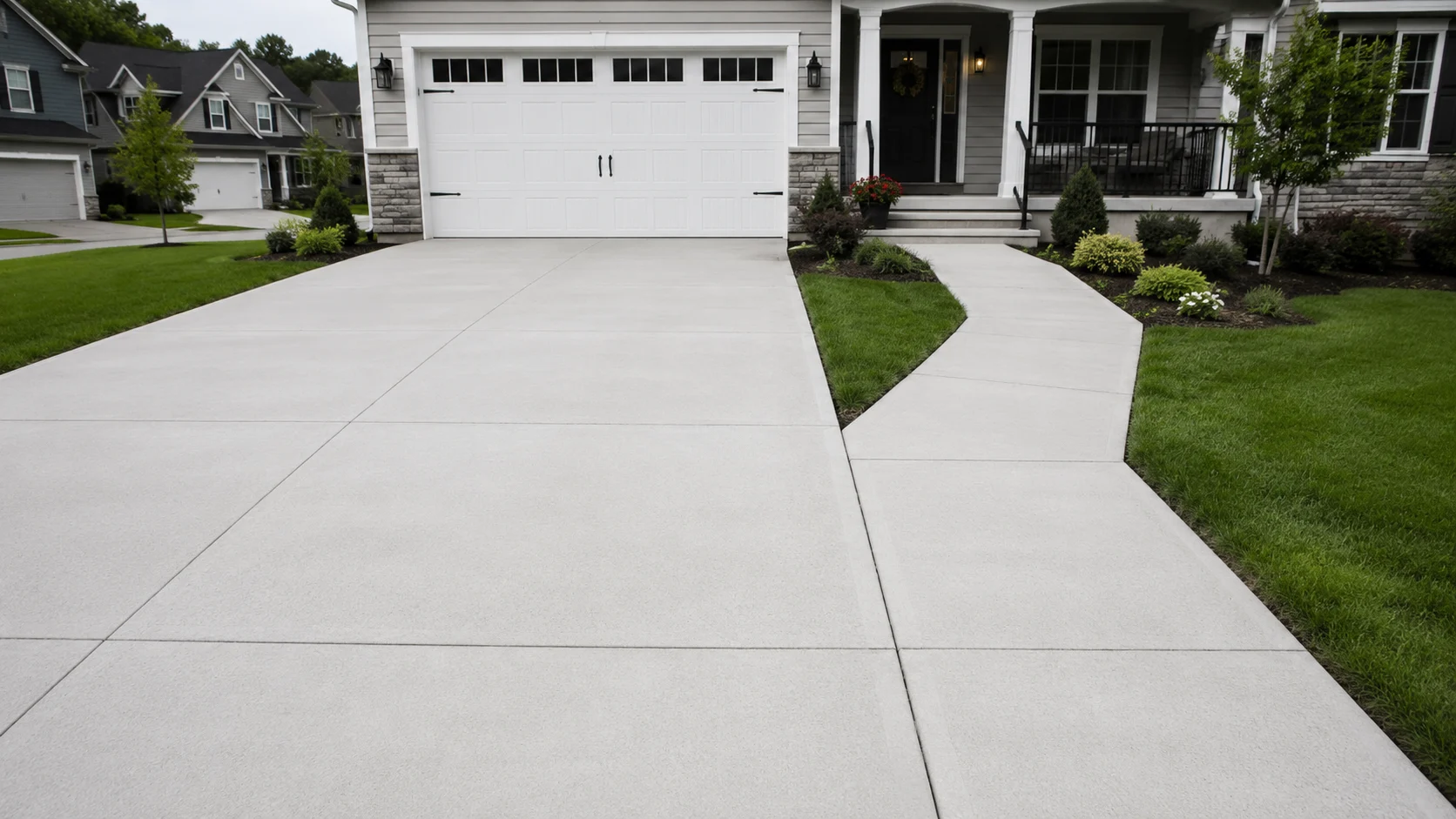
Driveway Cleaning in Lee County: Built for the Southwest Florida Coast
Lee County sits on the warm Gulf side of Southwest Florida, and that location shapes everything about how driveways here weather and how they need to be cleaned. This is coastal country, with salt air rolling in off the water and a long, humid growing season that never really shuts off. Add the master-planned and gated communities clustered around Estero and the Miromar area, the steady rhythm of seasonal snowbird homeowners who leave for the summer and return in the fall, and you get a driveway-cleaning challenge that looks nothing like an inland or northern one. In Bonita Springs and Estero, a driveway can go from pristine to streaked with black algae in a single off-season, and for homeowners in appearance-regulated neighborhoods, that timing matters more than almost anywhere else in the state.
If you own a home here, the goal is simple: keep the concrete, pavers, or coated surface in front of your home clean, safe, and compliant with your community's standards, without damaging it in the process. This guide walks through the local problems, the right cleaning methods, when to schedule the work, what drives the price, and the questions worth asking before you hire anyone.
The HOA-Compliance Headline for Gated and Master-Planned Communities
Lee County's coastal corridor is full of gated and master-planned communities, and many of them carry detailed appearance standards that cover driveways, walkways, and entry aprons. Those standards exist to protect the consistent, manicured look the neighborhoods were designed around, especially in the Estero and Miromar area where curb appeal is part of the community identity. The practical result is that a driveway streaked with black algae, rust runs, or oil stains is not just an eyesore. It can trigger a courtesy notice or a formal violation from the association.
This hits snowbird homeowners the hardest. A homeowner closes up the house in April or May, heads north for the summer, and returns in October or November to find the driveway has gone gray-green and black after months of unwashed humidity. By then a violation letter may already be waiting in the mail or taped to the door. Because the staining happens while no one is home to notice it building, the surface that was clean at departure can be the worst-looking driveway on the street by the time the owner is back. Many associations expect the problem corrected within a set window, which puts returning homeowners on a clock the moment they walk in.
The fix is straightforward but worth planning around. Knowing your community's specific appearance rules, the look they expect, and any approved-contractor or scheduling requirements lets you line up a cleaning before or right after the season change so you are never the home with the notice. If your community is one of the gated or master-planned developments in the Estero corridor, treat driveway cleaning as part of routine seasonal maintenance rather than something you react to after a complaint.
The Florida Problem with a Coastal and Seasonal Twist
Florida is hard on exterior surfaces everywhere, but the Lee County coast adds two multipliers: salt air and a long off-season when many homes sit empty through the most humid months. Here is what actually shows up on driveways in this area.
Black algae and mold (Gloeocapsa magma). The dark streaks and blotches that creep across light-colored concrete are usually Gloeocapsa magma, a hardy algae that thrives in warm, humid, moisture-rich conditions. Near the coast, persistent humidity and salt-laden air keep surfaces damp longer, and that lets the algae return fast. It is especially aggressive on a driveway left unwashed through a humid Southwest Florida summer while the owner is away. Without anyone hosing it down, parking on it, or simply walking over it, the surface stays undisturbed and the algae establishes itself across the whole slab.
Iron and irrigation rust. Many properties here run irrigation, and well or reclaimed water can carry iron that leaves orange and brown rust staining wherever sprinkler heads throw spray onto the driveway. These stains are mineral-based, not biological, so they need a different, rust-specific treatment than algae does.
Pollen and organic debris. Seasonal pollen, leaf tannins, and dropped organic matter settle into the surface and feed the same biological growth, leaving a yellow-green film that dulls the concrete.
Oil and grease. Vehicles leave oil drips and tire marks in the parking zones. On a porous surface these soak in and darken over time, and they require a degreaser and dedicated treatment rather than a simple rinse.
In short, a driveway in Bonita Springs or Estero is fighting biological growth, mineral staining, and petroleum stains all at once, accelerated by coastal humidity and the long stretches when no one is around to keep it disturbed.
When to Clean: Build It Around the Season
Timing is where Lee County homeowners can get the most value. Because so much staining develops while homes sit empty, the smartest schedule is tied to the snowbird calendar.
- Before you leave for the summer: Clean and, ideally, treat the driveway before you head north. Starting the off-season with a clean, protected surface slows how quickly growth takes hold while you are away.
- Right after you return for season: Schedule a cleaning soon after you are back so you correct any summer growth before it matures and before any community appearance deadline becomes an issue.
- For year-round homeowners: Plan around the rainy, most humid stretch, when algae growth is fastest, and clean once growth becomes visible rather than waiting for it to spread.
A pre-departure clean plus a post-return clean is the pattern that keeps seasonal homes out of trouble. Beyond that, the right frequency depends on shade, tree cover, irrigation overspray, and how close the home sits to the water.
Soft Wash vs. Pressure Washing, and Whether to Seal
The method matters as much as the timing. Two very different approaches get used on driveways, and the right one depends on the surface and the type of staining.
Soft washing uses low pressure paired with cleaning solutions that kill the algae, mold, and biological growth at the root rather than just blasting the top layer off. Because Gloeocapsa magma is a living organism, soft washing tends to give a longer-lasting result on algae and mold. It is also gentler on the surface, which matters for pavers and any coated or decorative concrete.
Pressure washing uses higher-pressure water, often through a flat-surface cleaner, to lift heavy buildup, ground-in dirt, and stubborn stains from bare concrete. It is effective but must be done at appropriate pressure for the surface. Too much pressure can etch concrete, strip the joint sand from pavers, or damage a coating. Many quality jobs combine the two: a soft-wash treatment to kill biological growth, then a controlled rinse or pressure step to clear the residue.
Sealing is the optional finishing step. A quality sealer helps repel water, slows the return of algae and stains, and makes future cleanings easier, which is a real advantage in a humid coastal environment. Sealing is worth discussing for pavers and for any homeowner who wants to stretch the time between cleanings, particularly on a home that sits empty over the summer.
What Drives the Cost
Pricing for driveway cleaning in Lee County varies, and understanding the drivers helps you compare quotes fairly. The main factors are:
- Size and car-count: Larger driveways and multi-car widths mean more square footage and more time.
- Surface type: Bare concrete, pavers, stamped or decorative concrete, and coated surfaces each call for different methods and care, which affects labor.
- Severity: A lightly soiled driveway costs less than one that has gone fully black after a summer away.
- Add-on stains: Oil and grease removal and iron or irrigation rust treatment are specialized jobs that add to the base price because they need dedicated products and extra labor.
- Sealing: If you add a sealer, that is a separate line item, priced by area and product.
Ask whether the quote includes treatment of biological growth at the root or just a surface rinse, since a cheaper rinse-only job often means the algae comes back sooner.
What to Ask a Pro
Before hiring, get clear answers to these:
- Do you soft wash, pressure wash, or both, and which will you use on my surface and why?
- Are you licensed and insured to work in Lee County and inside gated communities?
- Is rust or oil stain removal included, or priced separately?
- Do you offer sealing, and do you recommend it for my driveway?
- Can you handle a pre-departure and post-return schedule for seasonal homes?
- Will the treatment kill the algae at the root so it stays clean longer?
Common Driveway Surfaces in the Area
Homes across Bonita Springs, Estero, and the surrounding communities feature a range of driveway surfaces, and each behaves differently. Broom-finished and smooth concrete is the most common and is prone to visible black algae streaking. Paver driveways are popular in the master-planned communities and need gentler handling to protect the joint sand and the pavers themselves. Stamped and decorative concrete, often with a coating or sealer, demands lower pressure to avoid harming the finish. Knowing which surface you have tells the contractor how to clean it safely and keep it looking right for your neighborhood's standards.
Typical cost in Lee County
What a driveway cleaning runs here
$130 – $288
Standard clean, ~600 sq ft (two-car), moderate algae and mildew.
$648 – $1,788
Same job, cleaned and sealed to slow Florida regrowth.
Pick your city below for an exact local estimate and one free quote.
Cities we serve in Lee County
2 places covered
Common questions
Driveway cleaning in Lee County
When should snowbird homeowners in Bonita Springs and Estero clean their driveways?+
Aim for two cleanings tied to your season. Clean before you leave for the summer so the surface starts the off-season clean and protected, then clean again soon after you return in the fall to clear any growth that built up while the home sat empty. This pattern keeps you ahead of community appearance deadlines and prevents the worst summer staining from setting in.
Why does black algae come back so fast on coastal Lee County driveways?+
The dark streaks are Gloeocapsa magma, an algae that thrives in warm, humid, moisture-rich conditions. Along the Southwest Florida coast, persistent humidity and salt air keep surfaces damp longer, so the algae returns quickly, especially on a driveway left undisturbed and unwashed through a humid summer. Soft washing that kills the growth at the root, plus optional sealing, slows how fast it returns.
Can a dirty driveway really trigger an HOA violation in gated communities here?+
Yes. Many gated and master-planned communities in the Estero and Miromar area have appearance standards covering driveways, and an algae-streaked, rust-stained, or oil-marked surface can prompt a courtesy notice or formal violation. Returning snowbirds often find a letter waiting because the staining built up while they were away. Knowing your community's rules and scheduling a cleaning around the season keeps you compliant.
How often should a year-round Lee County resident clean the driveway?+
It depends on shade, tree cover, irrigation overspray, and how close the home sits to the water, but the humid rainy stretch drives the fastest algae growth. Many homeowners clean once a year, with shadier or more exposed driveways needing it more often. Clean when growth first becomes visible rather than waiting for it to spread across the whole slab, which makes the job easier.
What does driveway cleaning cost and what affects the price?+
Cost depends on size and car-count, surface type, and how severe the staining is. A lightly soiled driveway is cheaper than one that has gone fully black over a summer away. Specialized add-ons like iron or irrigation rust removal and oil or grease treatment raise the price because they need dedicated products. Sealing is a separate line item. Always confirm whether the quote includes killing biological growth at the root.
Does salt air affect how my driveway should be cleaned?+
Salt air does not call for a different machine, but it does mean surfaces stay damp longer and algae returns faster, so coastal homes benefit from treatments that kill growth at the root and from sealing that helps repel moisture. Pair that with rust treatment if irrigation overspray is leaving orange staining, since coastal landscapes here are watered heavily and mineral stains are common.