Driveway cleaning · Florida · county hub
Driveway Cleaning in Manatee County, FL
HOA-compliance help, local costs and vetted pros across Manatee County.
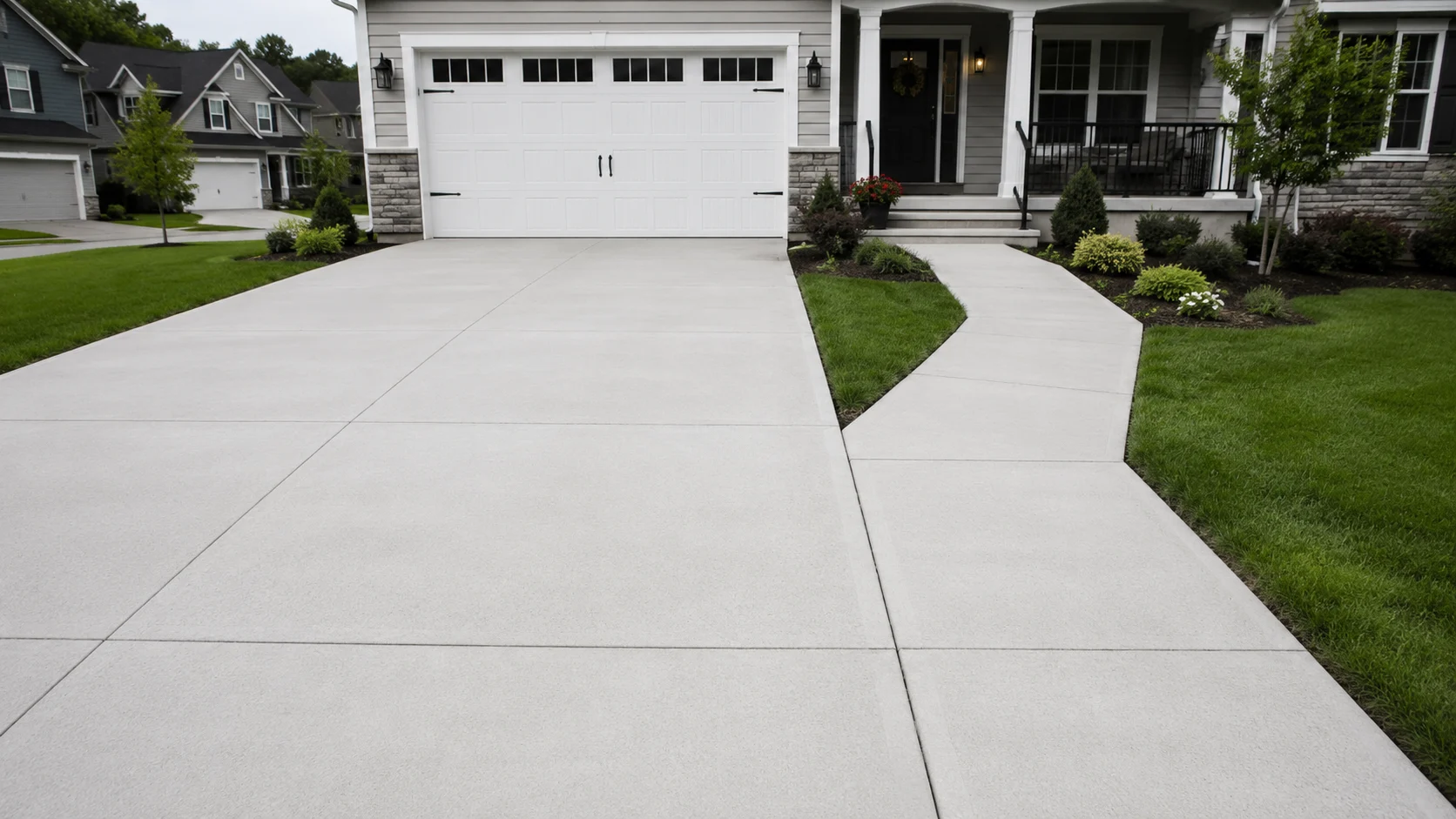
Driveway Cleaning in Manatee County: Built for Master-Planned Standards
Few places in Florida hinge driveway appearance on community rules quite like Manatee County. This is the home of Lakewood Ranch, year after year one of the nation's top-selling master-planned communities, and that single fact shapes how driveways get cleaned across the entire county. When you build thousands of homes to a coordinated design language, the spaces between those homes — the driveways, walkways, and entry pads that everyone sees from the street — become part of the shared look the community is selling. A streaked, algae-blackened driveway does not just bother you. In a deed-restricted neighborhood, it can put you on the wrong side of an architectural standard that hundreds of your neighbors are also expected to meet.
That is the angle that sets Manatee apart from its neighbors. Add Bradenton's established riverfront and older-stock homes plus Palmetto's mix of newer subdivisions and working neighborhoods north of the Manatee River, and you get a county where driveway cleaning is simultaneously a curb-appeal upgrade, a maintenance necessity, and, for a large share of homeowners, a compliance task. Understanding all three angles at once is the key to keeping a Manatee County driveway looking right without overspending or running afoul of your HOA.
HOA Compliance Is the Headline Here
In much of Florida, a dirty driveway is a personal preference problem. In Manatee County's master-planned communities, it is frequently a covenant problem. Lakewood Ranch and the many gated and deed-restricted neighborhoods around Bradenton and Palmetto operate on uniform appearance standards: the community wants every home's hardscape to read as clean, consistent, and well-kept from the curb. Architectural review committees and management companies enforce these standards at scale, which means driveway mildew, black streaking, and rust staining are exactly the kinds of cosmetic issues that generate violation notices.
Because these communities are so large, enforcement tends to be systematic rather than random. Drive-through inspections sweep entire streets at once, and a single inspector can flag dozens of driveways in a morning. When the black algae bloom hits one home, it has usually hit the whole block, so notices go out in batches. If you have received a courtesy notice, a warning, or a deadline to remediate, you are almost never alone — and the fix is the same cleaning you would want to do anyway. The practical takeaways for Manatee homeowners:
- Read your covenants for any language about "mildew," "stains," "uniform appearance," or "clean and presentable" hardscape. That is the standard you are being measured against.
- Treat a violation notice as a scheduling cue, not an emergency. Most communities give a reasonable window to remediate; a professional cleaning typically resolves it in a single visit.
- Keep a dated photo after cleaning. If your association requires proof of remediation, before-and-after images close the loop quickly.
- Cleaning proactively — before the notice arrives — is cheaper and less stressful than reacting to a deadline, and it keeps you off the inspection list entirely.
The Florida Problem, Manatee Edition
Manatee County sits in a warm, humid coastal zone where driveways are under constant biological and chemical attack. The same Gulf-side climate that makes the area desirable is what makes hardscape go dark so fast. Here is what is actually happening to your concrete or pavers:
- Black algae and mold (Gloeocapsa magma). This is the number-one culprit behind the black and dark-green streaking you see creeping across Manatee driveways. In our humidity, it can establish a visible film within weeks, especially on shaded or north-facing slabs and under tree canopy. It feeds on moisture, airborne dust, and the limestone in concrete itself, so it keeps coming back unless it is killed at the root rather than just blasted off the surface.
- Iron and rust staining. Many Manatee properties irrigate with well water or reclaimed water carrying dissolved iron. Sprinkler heads that overspray onto the driveway leave orange and brown rust halos and arcs that pressure water alone will not remove. Fertilizer with iron content tracked across the slab does the same thing.
- Spring pollen. Each spring, oak and pine pollen coats everything in a yellow-green film. On its own it is cosmetic, but it traps moisture and feeds the algae bloom that follows, so the pollen season often kicks off the worst staining of the year.
- Oil, grease, and tire marks. Where cars park is where you get the petroleum staining — drips under the engine bay, transmission seepage, and dark tire scuffs near the garage. These are oil-based, so they need degreasing treatment, not just surface rinsing.
The reason this matters in Manatee specifically is that uniform HOA standards do not distinguish between "organic black streaking" and "rust" and "oil." The inspector sees a stained driveway and writes the notice. A proper cleaning has to address all of these at once to actually clear the standard.
Across Lakewood Ranch, Bradenton, and Palmetto
The challenges shift slightly depending on where in the county you live. In Lakewood Ranch, the housing stock is newer and the communities are tightly governed, so the emphasis is on staying ahead of HOA appearance standards on light-toned concrete and paver driveways that show every streak. Newer concrete and broom-finish surfaces look fantastic when clean and conspicuously dingy when not, which is exactly why the algae blooms get noticed so fast here.
In Bradenton, you find a wider range of ages, from older near-river homes with weathered concrete to newer subdivisions inland. Older slabs can have deeper-set staining and more surface porosity, which holds algae and rust longer and rewards a thorough soft-wash treatment with proper dwell time. Mature tree canopy in established Bradenton neighborhoods also means more shade, more leaf litter, and faster regrowth of organic staining.
In Palmetto, north of the Manatee River, you get a blend of newer deed-restricted subdivisions and working neighborhoods. Properties using well or reclaimed irrigation here are especially prone to iron rust, so rust removal add-ons come up more often. Across all three, the cleaning approach is the same in principle; only the severity and surface age change the details.
When to Clean a Manatee County Driveway
Most Manatee homeowners do well on a once-a-year cleaning cycle, with heavily shaded or chronically streaked driveways moving to twice a year. Good timing cues for our climate:
- After spring pollen settles — clearing the pollen film before summer humidity turns it into an algae feast.
- At the first sign of black streaking — the bloom only spreads, and early treatment is faster and cheaper.
- Before a home sale or appraisal — clean hardscape is one of the cheapest curb-appeal wins available.
- When a violation notice arrives — schedule promptly and beat the remediation deadline.
Soft-Wash vs. Pressure Washing — and Sealing
The single most important thing to understand about Manatee driveway cleaning is that black algae is a biological organism, not just dirt. High-pressure water can blast the surface film off, but if the root structure and spores remain, the staining returns within weeks. That is why reputable local pros lead with soft washing: a low-pressure application of cleaning solution that kills the algae, mold, and mildew at the source. The solution does the work, then gentle rinsing carries it away.
Pressure washing still has its place — for surface-level grime, oil staining, and a final uniform rinse — but it should be applied at appropriate pressure for the surface. On pavers, over-aggressive pressure blows out the joint sand and pits the paver face; on stamped or decorative concrete it can etch the surface. The right approach for most Manatee driveways is a combination: soft-wash treatment to kill organics, targeted degreasing for oil, rust remover for iron staining, and a controlled rinse to finish.
Sealing is the optional follow-up that pays off in our climate. A quality sealer on concrete or pavers slows the return of algae, resists oil penetration, and makes the next cleaning easier. On paver driveways, re-sanding the joints and sealing also locks the pavers in place and sharpens the color. Sealing is not mandatory, but in a high-humidity, HOA-watched county it stretches the time between cleanings and keeps you compliant longer.
What Drives the Cost
Manatee driveway pricing comes down to a handful of factors:
- Size and car-count. A two-car driveway is the baseline; three-car and extended or circular drives common in Lakewood Ranch cost more simply because there is more square footage.
- Surface type. Plain broom-finish concrete is the simplest. Pavers, stamped concrete, and exposed aggregate take more care and time, which raises the price.
- Severity. A light annual maintenance wash costs less than reversing years of heavy black-algae buildup.
- Add-ons. Oil and grease degreasing and iron/rust removal are specialized treatments billed on top of the base cleaning. If your driveway has well-water rust arcs or oil pooling under a parking spot, expect those line items.
- Sealing. An optional but worthwhile add-on priced by square footage and material.
What to Ask a Pro
Before you hire, confirm the basics so you get a result that actually clears your HOA standard and lasts:
- Do you soft-wash to kill algae at the root, or only pressure-wash the surface?
- Are you licensed and insured to work in my community?
- Is rust removal and oil degreasing included, or priced separately?
- What pressure do you use on pavers and decorative concrete, and do you re-sand paver joints?
- Do you offer sealing, and how long before staining typically returns without it?
- Will you provide before-and-after photos I can submit to my association?
Common Driveway Surfaces in Manatee's Housing Stock
Master-planned and deed-restricted neighborhoods here favor a few surfaces. Broom-finish concrete is the most common, prized for being clean and uniform — and quick to show algae. Paver driveways are widespread in upper-tier Lakewood Ranch villages and show beautifully when sealed but need joint sand maintenance. Stamped and decorative concrete shows up at entries and accent bands and demands gentler cleaning. Exposed aggregate appears on some older Bradenton homes. Whatever your surface, matching the cleaning method to it is what keeps a Manatee County driveway both compliant and undamaged for years.
Typical cost in Manatee County
What a driveway cleaning runs here
$130 – $288
Standard clean, ~600 sq ft (two-car), moderate algae and mildew.
$648 – $1,788
Same job, cleaned and sealed to slow Florida regrowth.
Pick your city below for an exact local estimate and one free quote.
Cities we serve in Manatee County
3 places covered
Common questions
Driveway cleaning in Manatee County
Will cleaning my driveway clear an HOA violation notice in Lakewood Ranch?+
Almost always, yes. Most Manatee notices target black algae streaking, rust, or general staining, and a proper soft-wash treatment resolves all three in a single visit. Schedule promptly to beat your remediation deadline, and keep a dated after photo. Many associations accept before-and-after images as proof that you have met the uniform appearance standard.
Why does my Bradenton driveway turn black again so fast after cleaning?+
Because the black is Gloeocapsa magma algae, a living organism, not just dirt. If it was only pressure-blasted off the surface, the roots and spores remain and regrow within weeks in our humidity. A soft-wash treatment that kills the algae at the source lasts far longer, and sealing afterward slows regrowth even more, especially on shaded or canopy-covered slabs.
What does driveway cleaning cost in Manatee County?+
A standard two-car concrete driveway commonly runs about $100 to $200 for a soft-wash cleaning. Three-car and extended Lakewood Ranch drives, paver surfaces, and heavy algae buildup push the price higher. Oil degreasing and iron rust removal are billed as add-ons, often $50 to $150 each, and optional sealing is priced separately by square footage.
How do I get rid of orange rust stains from my sprinklers?+
Those orange arcs come from iron in well or reclaimed irrigation water overspraying the driveway, common in Palmetto and across Manatee. Pressure water will not remove them; they need a dedicated rust remover applied and rinsed. Long term, adjust sprinkler heads to keep spray off the concrete, and ask your cleaning pro to include rust treatment as part of the job.
How often should I clean my driveway here?+
Once a year works for most Manatee driveways, moving to twice a year for heavily shaded or chronically streaking surfaces. Good timing is right after spring pollen settles and at the first sign of black streaking. Cleaning proactively keeps you off your community's inspection list and is cheaper than reacting to a violation notice deadline.
Is soft washing safe for my paver driveway?+
Yes, and it is the preferred method. Soft washing uses low-pressure cleaning solution to kill algae and mold without blasting out the joint sand or pitting the paver faces, which aggressive pressure washing can do. A good pro will soft-wash to treat organics, re-sand the joints as needed, and offer sealing to protect the color and slow future staining.