Driveway cleaning · Florida · county hub
Driveway Cleaning in Sarasota County, FL
HOA-compliance help, local costs and vetted pros across Sarasota County.
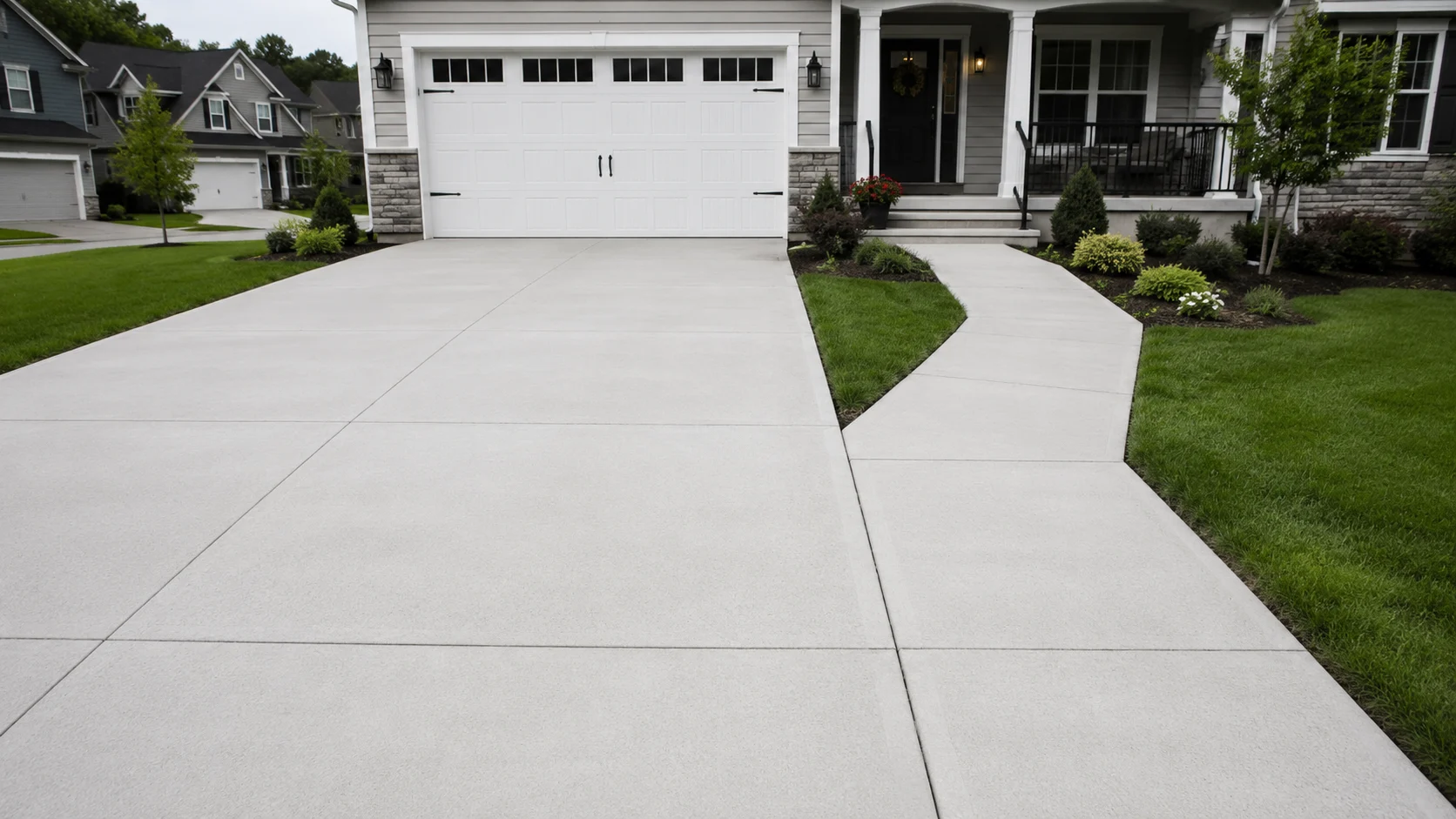
Driveway Cleaning Built for Sarasota County's Gulf-Coast Conditions
Sarasota County sits right on the Gulf, and that single fact shapes everything about how a driveway weathers here. Salt air drifts inland from the beaches off Sarasota and Venice, settling onto concrete, brick, and paver surfaces day and night. Mix that briny moisture with the county's heavy subtropical humidity and you get a coastal climate that grows grime faster than almost anywhere else in the state. A driveway that looked freshly poured a year ago can turn streaky, blotchy, and dark long before you expect it. If you live near a barrier island, a canal, or just a few blocks from the water, you have probably already noticed how quickly a clean surface stops looking clean.
This page is a practical guide to keeping a Sarasota County driveway bright, safe, and HOA-compliant. We cover the coastal problems that make local driveways stain so fast, when to clean them, the difference between soft washing and pressure washing near salt, what drives the price up or down, and the questions worth asking before you hire anyone. The goal is simple: help you understand your driveway the way a seasoned local cleaner does, so you make good decisions for your home.
HOA Compliance in Sarasota County's Deed-Restricted Coastal Communities
Much of Sarasota County is organized into deed-restricted, HOA-governed communities, from the gated neighborhoods near Sarasota to the planned developments around Venice and the barrier-island enclaves in between. These associations tend to take curb appeal seriously, and driveway appearance is one of the most visible items on their lists. A streaky, algae-darkened driveway is exactly the kind of thing that earns a courtesy notice, and repeated notices can turn into fines.
The challenge for coastal homeowners is that HOA standards collide head-on with the climate. The same salt air and humidity that the association wants you to clean away are also the forces that bring the stains back fastest. That is why many homeowners here move from one-and-done cleaning to a regular maintenance rhythm. Staying ahead of the grime keeps you off the violation list and protects the surface at the same time. If your community has written appearance standards, it is worth reading them before scheduling, since some associations specify how often shared or street-facing surfaces should be cleaned, and a few have rules about runoff and where wash water can go.
The Florida Driveway Problem, With a Coastal Twist
Every Florida driveway fights mold, algae, and weathering, but Sarasota County's coastal setting accelerates the whole process. Here are the specific culprits behind most local staining:
- Black algae (Gloeocapsa magma): This is the big one. Those dark gray and black streaks that crawl across concrete and pavers are a hardy algae that thrives on warmth and moisture. Salt air and constant humidity give it an ideal environment, so coastal driveways near Sarasota and Venice often grow it faster and heavier than inland surfaces.
- Mold and mildew: Shaded sections, north-facing slabs, and areas under trees stay damp longer in the coastal humidity, and that lingering moisture feeds mold and mildew that turn the surface green, gray, or fuzzy.
- Efflorescence and salt deposits: Salt in the air and in the ground works its way through concrete and paver joints, leaving chalky white film and crusty buildup, especially on driveways close to the water. This salt-driven efflorescence is far more common here than in landlocked counties.
- Iron and irrigation rust: Well water and irrigation systems in the county often carry iron, and sprinkler overspray leaves orange and brown rust stains across the driveway. These stains are mineral-based and need different treatment than algae.
- Pollen: Seasonal pollen blankets everything in a yellow-green haze, dulling the surface and giving algae and mold extra organic material to feed on.
- Oil, grease, and tire marks: Drips from vehicles, especially under the parking area, soak into porous concrete and pavers and leave dark patches that ordinary rinsing will not lift.
The coastal twist matters because it changes both the speed and the mix of problems. An inland driveway might mostly battle algae. A Sarasota County coastal driveway often fights algae plus salt efflorescence plus rust all at once, which is why a generic cleaning approach frequently falls short here.
When to Clean a Coastal Driveway in Sarasota County
Because the climate works year-round, most local homeowners benefit from cleaning their driveway once or twice a year, and sometimes more for surfaces close to the water or in heavy shade. A few signs it is time:
- You can see the first faint gray streaks of black algae starting to spread.
- The surface looks dull, dingy, or uneven compared to a year ago.
- White chalky efflorescence or salt film is showing up, particularly on driveways near the coast.
- Orange rust stains have appeared from sprinklers or well water.
- Your HOA has sent a courtesy reminder, or your neighbors' driveways suddenly look much brighter than yours.
The rainy summer season tends to accelerate algae growth, so many homeowners schedule a cleaning heading into or coming out of that stretch. Pollen-heavy months are another natural time to refresh the surface. The general rule on the coast: do not wait until the staining is severe, because the longer black algae and salt sit, the harder and more expensive they are to remove.
Soft Washing vs. Pressure Washing, and Sealing Near Salt
One of the most important things to understand is that not every driveway should be blasted with high pressure. There are two main approaches, and the right one depends on your surface.
Soft washing uses low pressure combined with cleaning solutions that kill algae, mold, and mildew at the root rather than just knocking the surface layer off. This is often the preferred method for pavers and for delicate or aging surfaces, because high pressure can blast sand out of paver joints, etch concrete, and leave wand marks. Since black algae has roots, soft washing's chemical action tends to deliver a cleaner result that stays clean longer.
Pressure washing (often done with a flat surface cleaner attachment for even results) uses higher-pressure water and works well on solid, sturdy concrete that just needs dirt and grime lifted. A good local pro will frequently combine the two: a soft-wash treatment to kill the organic growth, then a controlled rinse to flush it all away.
Sealing near salt is especially worth considering in Sarasota County. A quality sealer on concrete or pavers adds a protective barrier that slows down how fast salt, moisture, algae, and oil penetrate the surface. On paver driveways, joint-stabilizing sealers also help lock in the joint sand so it does not wash out. Near the coast, sealing can meaningfully extend the time between cleanings and help fight the constant salt exposure. It is best applied after a thorough cleaning, once the surface is fully dry.
What Drives the Cost of Driveway Cleaning Here
Pricing varies, but the main factors are consistent across Sarasota County:
- Size and car-count: A standard two-car driveway costs less than a long three-car or circular drive. More square footage means more time and material.
- Surface type: Plain concrete is usually the most straightforward. Paver driveways cost more because they need careful low-pressure cleaning, joint attention, and often re-sanding, all of which take extra labor. Decorative or stamped concrete also requires a gentler, more time-consuming approach.
- Severity of staining: A lightly soiled driveway is quick. One with heavy, established black algae, deep salt efflorescence, or years of buildup takes more treatment and more passes.
- Add-on stains: Oil and grease removal and rust stain treatment are common add-ons here. Iron rust from irrigation in particular needs special rust removers, and oil spots need degreasers, so both typically add to the base price.
- Sealing: Adding a sealer is a separate service that increases the total but pays off in protection, especially on coastal pavers.
The best value usually comes from regular maintenance rather than rescue cleanings, because keeping a surface from getting badly stained is far cheaper than restoring one that has been neglected for years.
What to Ask a Driveway Cleaning Pro
Before you hire, a few questions will help you find someone who understands coastal conditions:
- Will you soft wash or pressure wash my surface, and why? (Pavers and older concrete usually call for soft washing.)
- Do you treat black algae at the root so it stays gone, or just rinse the surface?
- Can you handle rust and oil stains, and are those included or extra?
- Do you offer sealing, and do you recommend it for my driveway given how close I am to the water?
- Are you licensed and insured to work in Sarasota County?
- How do you handle wash-water runoff, especially if my HOA or my proximity to canals or the Gulf has rules about it?
Common Coastal Driveway Surfaces in Sarasota County
Local driveways come in a few main types, and each behaves differently in the salt air:
- Concrete: The most common surface. Durable but porous, so it holds algae, salt, and oil readily and benefits from periodic cleaning and sealing.
- Brick and concrete pavers: Extremely popular in the county's coastal and deed-restricted communities for their look. They streak and stain quickly, lose joint sand over time, and need gentle, paver-specific cleaning to stay beautiful without damage.
- Stamped or decorative concrete: Stylish but requires careful, low-pressure cleaning to protect the finish and any color coating.
- Aggregate and exposed-stone surfaces: Found on some homes; the textured surface traps grime and calls for a thorough but controlled approach.
Whether you are in a barrier-island neighborhood near Sarasota, a planned community around Venice, or anywhere in between, the combination of salt air and subtropical humidity means your driveway needs more attention than a similar one inland. The good news is that with the right cleaning method, the right timing, and a protective seal, you can keep your driveway bright, HOA-friendly, and free of those fast-spreading coastal stains all year long.
Typical cost in Sarasota County
What a driveway cleaning runs here
$130 – $288
Standard clean, ~600 sq ft (two-car), moderate algae and mildew.
$648 – $1,788
Same job, cleaned and sealed to slow Florida regrowth.
Pick your city below for an exact local estimate and one free quote.
Cities we serve in Sarasota County
2 places covered
Common questions
Driveway cleaning in Sarasota County
Why does my Sarasota driveway get black streaks and stains so fast?+
The Gulf-coast combination of salt air and subtropical humidity creates an ideal environment for Gloeocapsa magma, the black algae behind those dark gray streaks. Salt also drives chalky efflorescence, and sprinkler overspray can add rust. Together these make coastal driveways near Sarasota and Venice stain noticeably faster than inland ones, so regular cleaning is the best defense.
Should my paver driveway be pressure washed or soft washed?+
Pavers should almost always be soft washed. High pressure can blast the sand out of the joints, dislodge pavers, and leave wand marks. Soft washing uses low pressure plus cleaning solutions that kill algae and mold at the root, giving a longer-lasting result. After cleaning, many homeowners re-sand the joints and add a joint-stabilizing sealer for protection.
How often should I clean my driveway in Sarasota County?+
Most coastal homeowners clean once or twice a year, and sometimes more for driveways close to the water or in heavy shade where humidity lingers. The salt air and humidity feed algae year-round, so do not wait for severe staining. Cleaning before or after the rainy summer season, and during pollen-heavy months, helps keep the surface bright and HOA-compliant.
Will keeping my driveway clean help with my HOA?+
Yes. Many Sarasota County communities are deed-restricted, and HOAs treat driveway appearance as a key curb-appeal item. A streaky, algae-darkened driveway can earn courtesy notices and eventually fines. Since coastal conditions bring stains back quickly, a regular cleaning schedule is the simplest way to stay ahead of the standards and off the violation list.
How much does driveway cleaning cost near the coast?+
Prices depend on size and car-count, surface type, and how bad the staining is. Plain concrete is most affordable, while paver driveways cost more because they need careful low-pressure cleaning and often re-sanding. Add-ons like rust removal from irrigation and oil or grease treatment raise the total, and sealing is a separate service that pays off in coastal protection.
Is sealing worth it for a driveway near the Gulf?+
For coastal driveways, sealing is often very worthwhile. A quality sealer adds a barrier that slows how fast salt, moisture, algae, and oil penetrate concrete or pavers, and on pavers it helps lock in joint sand. Near the water, that protection can meaningfully extend the time between cleanings. Sealing works best applied right after a thorough cleaning, once the surface is fully dry.