Driveway cleaning · Florida · county hub
Driveway Cleaning in Seminole County, FL
HOA-compliance help, local costs and vetted pros across Seminole County.
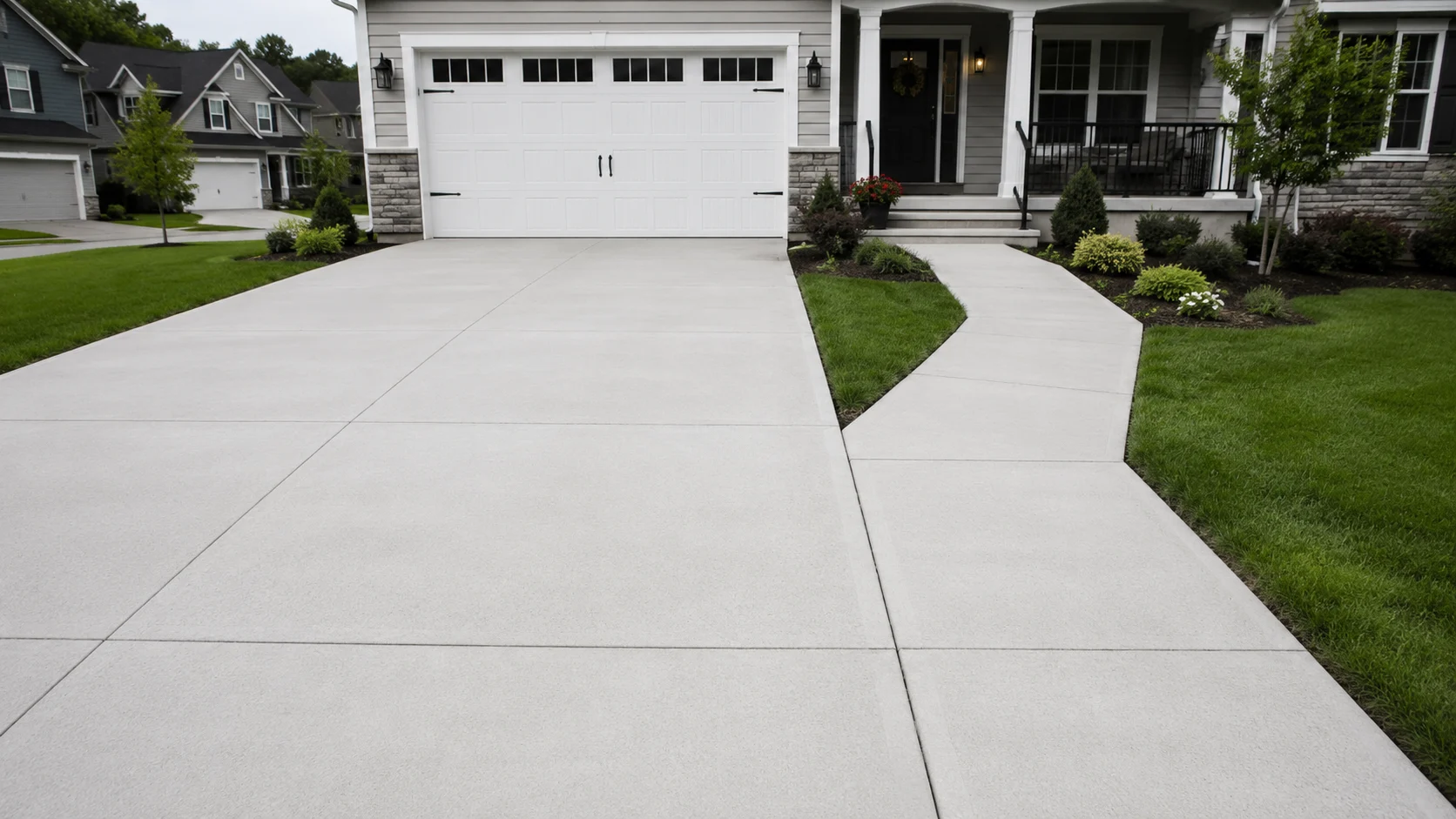
Driveway Cleaning in Seminole County: Built for Oak-Shaded, Deed-Restricted Suburbs
Seminole County is one of metro Orlando's most established bedroom communities, and its driveways tell that story. The neighborhoods that fill Lake Mary, Oviedo, Winter Springs, and Longwood were largely platted and built out decades ago, which means two things that matter enormously for how you clean a driveway here. First, the tree canopy is mature. The live oaks, laurel oaks, and water oaks that line these streets have had a long time to grow, and they now arch over driveways and rooftops in a way you simply do not see in newer, treeless subdivisions farther out. Second, most of these communities are deed-restricted with active homeowners associations, and those HOAs care about how the front of your home looks from the street. Put those two facts together and you get the defining challenge of driveway care in Seminole County: heavy, year-round shade feeds the very organisms that an HOA will cite you for.
This page is a practical guide to keeping a Seminole County driveway clean, compliant, and intact. The advice here is specific to older north-Orlando suburbs under a thick oak canopy. It is not generic Florida boilerplate, because the problems you face in a shaded, leaf-littered Longwood cul-de-sac are different from the problems a sun-baked driveway faces in a brand-new development with no trees.
The HOA-Compliance Headline
If you own a home in a deed-restricted neighborhood in Lake Mary, Oviedo, Winter Springs, or Longwood, the single most common reason you will hear from your HOA about your driveway is staining and organic growth. Association covenants in these communities routinely require that driveways, walkways, and home exteriors be kept free of mildew, mold, and unsightly stains. A black-streaked or green-tinged driveway is one of the easiest violations for a board or management company to spot from the curb, and it is one of the most common letters Seminole County homeowners receive.
The frustrating part is that under a dense oak canopy, a driveway can go from clean to citation-worthy in a single rainy season. Because the surface rarely gets the long hours of direct sun that would dry and bake it, the conditions that trigger an HOA notice rebuild faster here than they do in open, sunny lots. Treating driveway cleaning as routine maintenance, rather than waiting for a violation letter, is the smartest approach in these neighborhoods. A clean driveway also lifts the whole front elevation of the home, which is exactly what these established, well-kept communities expect.
The Florida Problem, With a Shade and Canopy Twist
Every driveway in Central Florida fights humidity. What makes Seminole County distinct is how the mature oak canopy turns ordinary Florida humidity into an accelerant. Here is what is actually growing and staining on a shaded Seminole County driveway:
- Gloeocapsa magma (black algae and mold): This is the dark, blotchy, sometimes streaky growth you see creeping across concrete. It thrives in warm, damp, low-light conditions, and a driveway that sits in oak shade for most of the day is close to a perfect habitat. The same organism that streaks shingled roofs in the region settles happily onto shaded concrete and pavers.
- Leaf-tannin staining: Oaks are not tidy trees. They drop leaves, catkins, and acorns in waves, and wet leaf litter that sits on concrete leaches tannins that leave reddish-brown to dark shadow stains. In a shaded driveway that dries slowly, that leaf litter lingers and the staining sets in.
- Iron and irrigation rust: Much of Seminole County relies on irrigation, and well or reclaimed water with iron content throws orange rust stains wherever sprinkler heads or runoff repeatedly hit the concrete. These rust arcs are common along driveway edges and aprons.
- Pollen: The spring oak pollen load in Central Florida is heavy, and that fine yellow-green film bonds to damp concrete, dulling the surface and feeding the organic grime that follows.
- Oil, grease, and tire marks: Older deed-restricted neighborhoods often have two- and three-car households, and decades of parking leave petroleum drips, brake dust, and hot-tire pickup near the garage. Under shade, those stains darken and persist rather than fading in the sun.
The through-line is shade. The oak canopy that makes Lake Mary and Longwood streets so beautiful is the same canopy that keeps your driveway damp, slow to dry, and biologically active. Cleaning here is as much about managing the consequences of the trees as it is about Florida weather.
When to Clean a Shaded Seminole County Driveway
Because shaded driveways stay damp and regrow growth quickly, most homeowners in these neighborhoods benefit from cleaning more often than the regional average. A practical rhythm for a Seminole County driveway under heavy oak cover:
- After the spring pollen surge, typically late spring, to strip the yellow film before summer rains lock it in.
- Late in or just after the summer rainy season, when warm, wet months have given black algae and mildew their biggest growth window.
- After major leaf drop, so tannin-rich oak litter does not sit and stain over the cooler months.
Many shaded driveways in Oviedo and Winter Springs do best on a roughly twice-a-year schedule, with a quick spot treatment of any rust arcs or oil drips in between. If your home sits especially deep under canopy, an annual softwash plus mid-year spot cleaning often keeps you ahead of HOA standards. Watch the shadiest strip of your driveway, usually the side nearest the house or the trees, since that is where regrowth shows first.
Soft-Wash vs. Pressure Washing, Plus Sealing
There are two distinct jobs people lump under driveway cleaning, and the difference matters a lot on shaded Seminole County surfaces.
Soft washing uses low pressure combined with cleaning solutions that kill the organisms behind black algae, mold, and mildew. For Gloeocapsa magma, this is the right approach: it treats the growth at the root rather than just blasting off the surface layer. Because so much of the grime here is biological and shade-fed, a softwash often delivers a longer-lasting clean than pressure alone, since it actually kills what is regrowing.
Pressure washing uses high-pressure water, often with a surface cleaner attachment, to physically lift dirt, pollen film, and loosened growth. It is effective and fast on concrete, but on older concrete and especially on pavers it has to be done with care. Excessive pressure can etch aging concrete, blast jointing sand out of paver driveways, and leave wand-stripe marks. Many pros use a combined method: apply cleaning solution to kill organisms, then rinse and surface-clean at controlled pressure.
Sealing is worth discussing for both concrete and pavers in these neighborhoods. A quality sealer makes the surface less porous, so oil, tannin, and rust have a harder time soaking in, and it can slow the return of growth on shaded surfaces. On paver driveways, sealing also re-stabilizes the joint sand. Sealing is not a substitute for cleaning, but on a heavily shaded driveway it can stretch the time between full cleanings and make HOA compliance easier to maintain.
What Drives the Cost
Driveway cleaning prices in Seminole County vary with the specifics of your property, not a flat rate. The main cost drivers:
- Size and car-count: A two-car driveway costs less than a long three-car drive or one with an extended apron, side parking pad, and connected walkways.
- Surface type: Plain broom-finish concrete is the simplest to clean. Pavers, stamped or decorative concrete, and exposed-aggregate surfaces take more time and care, which raises the price.
- Severity of growth: A lightly shaded driveway cleaned on schedule is quick. A deeply shaded driveway with years of built-up black algae and tannin staining needs stronger treatment and more dwell time, which costs more.
- Add-ons for oil and rust: Petroleum stains near the garage and iron rust arcs from irrigation are specialty treatments that often carry an extra charge because they require targeted products beyond a standard wash.
- Optional sealing: Adding a sealer is a separate line item priced by square footage and product.
What to Ask a Driveway Cleaning Pro
Before you hire anyone in Seminole County, ask these questions:
- Do you soft wash to kill the black algae and mildew, or only pressure wash the surface?
- Are you experienced with heavily shaded driveways, and how do you handle fast regrowth?
- Can you treat oil and grease stains and irrigation rust, and are those included or extra?
- If I have pavers, how do you protect the joint sand, and do you re-sand and seal?
- Are you licensed and insured to work in this neighborhood, and are you familiar with local HOA expectations?
- What results should I expect, and roughly how long before a shaded driveway like mine needs cleaning again?
Common Surfaces in Established Housing Stock
Because so much of Seminole County's housing was built years ago, you will find a wide range of driveway surfaces across Lake Mary, Oviedo, Winter Springs, and Longwood. Broom-finish poured concrete is the most common and the most forgiving to clean. Older neighborhoods also have aging concrete that may already show surface wear, fine cracking, or past staining, which is one reason careful pressure settings matter. Paver driveways appear in many of the more upscale and renovated homes and require sand-conscious cleaning. You will also see decorative and stamped concrete, exposed aggregate, and resurfaced or coated driveways that need gentler, sealer-safe methods. Matching the cleaning approach to the surface, on a property where the concrete may have been in the ground for a long time, is the difference between a driveway that looks refreshed and one that looks damaged. In Seminole County's shaded, deed-restricted communities, that careful, surface-appropriate approach is exactly what keeps a driveway both clean and compliant.
Typical cost in Seminole County
What a driveway cleaning runs here
$130 – $288
Standard clean, ~600 sq ft (two-car), moderate algae and mildew.
$648 – $1,788
Same job, cleaned and sealed to slow Florida regrowth.
Pick your city below for an exact local estimate and one free quote.
Cities we serve in Seminole County
4 places covered
Common questions
Driveway cleaning in Seminole County
Why does my Seminole County driveway turn black so fast under the oak trees?+
Heavy oak canopy keeps the concrete damp and shaded for most of the day, which is ideal for Gloeocapsa magma, the black algae and mold behind those dark streaks. Without long hours of drying sun, the growth rebuilds quickly. Shaded driveways in Lake Mary, Oviedo, Winter Springs, and Longwood often need cleaning roughly twice a year to stay ahead of it and meet HOA standards.
Will cleaning my driveway help with an HOA violation letter?+
Yes. Most deed-restricted communities in Seminole County require driveways to be free of mildew, mold, and stains, and a professional cleaning typically resolves the violation. Soft washing kills the organisms at the root, so the clean lasts longer than pressure alone. Cleaning on a schedule, rather than waiting for a letter, is the easiest way to stay compliant under heavy shade.
Soft wash or pressure wash for a shaded driveway?+
For shade-fed black algae and mildew, soft washing is usually better because the cleaning solution kills the growth rather than just blasting the surface layer. Pressure washing lifts pollen film and loosened grime quickly but can etch aging concrete or strip paver joint sand if overdone. Many pros combine both: treat to kill the organisms, then rinse at controlled pressure.
How much does driveway cleaning cost in Seminole County?+
Cost depends on driveway size and car-count, surface type, and how severe the growth is. Plain concrete is cheaper than pavers or decorative surfaces, and a heavily shaded, neglected driveway costs more than one cleaned on schedule. Oil and grease stains near the garage and irrigation rust arcs are often add-ons. Optional sealing is a separate line item priced by square footage.
Can you remove the orange rust stains from my irrigation?+
Usually, yes. The orange arcs along driveway edges come from iron in well or reclaimed irrigation water, and they need a targeted rust treatment rather than a standard wash. Ask whether rust removal is included or an add-on. Sealing the concrete afterward and adjusting sprinkler heads so they stop spraying the driveway both help keep the rust from returning.
Should I seal my driveway after cleaning?+
On a heavily shaded Seminole County driveway, sealing is often worthwhile. It makes concrete less porous so oil, leaf tannins, and rust soak in less easily, and it can slow the return of black algae. On paver driveways, sealing also re-stabilizes the joint sand. Sealing does not replace cleaning, but it can stretch the time between full washes and make HOA compliance easier.