Driveway cleaning · Florida · county hub
Driveway Cleaning in St. Johns County, FL
HOA-compliance help, local costs and vetted pros across St. Johns County.
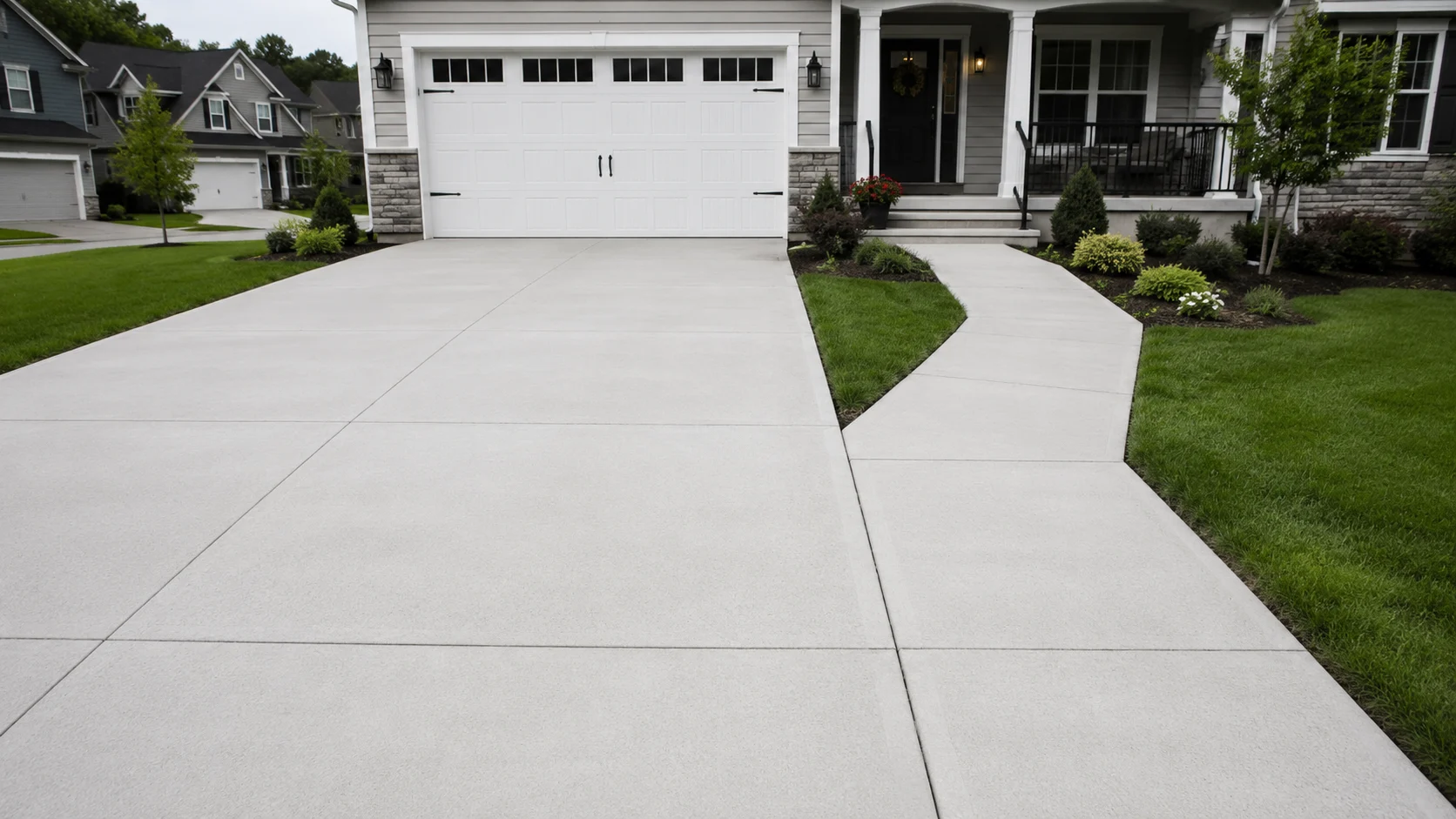
Two Driveway Worlds in One County: New Master-Planned Nocatee and Historic St. Augustine
St. Johns County is where Northeast Florida draws a sharp line between brand-new and centuries-old, and your driveway sits squarely on that line. Drive south from Jacksonville into Nocatee, one of the top-selling master-planned communities in the country, and you will see ribbon after ribbon of crisp light-gray concrete, paver aprons, and freshly poured ribbon driveways that builders handed over only a season or two ago. Keep going to St. Augustine, the oldest continuously occupied European-founded city in the United States, and the driveways tell a different story entirely: older concrete pours, tabby and shell-aggregate surfaces, brick, and pavers that have weathered decades of coastal salt air. Cleaning a driveway in St. Johns County means respecting both ends of that spectrum, because the surface under your tires and the rules over your shoulder change dramatically depending on where you live.
That contrast is the whole reason this county needs its own playbook. A pristine new pour in a Nocatee village reacts to cleaning very differently than a fifty-year-old slab three blocks from the St. Augustine bayfront. One is fighting to keep a like-new appearance under strict community standards; the other is fighting time, salt, and the slow staining that comes with age. Both, however, share the same enemy: Northeast Florida's humid, coastal climate, which grows black streaks and rust faster than almost anywhere else in the country.
HOA and CDD Appearance Rules Are Stricter Here Than Most of Florida
If you live in Nocatee, World Golf Village, or one of the newer Fruit Cove subdivisions, your driveway is not just yours, it is part of a governed streetscape. St. Johns County's master-planned communities are built on Community Development Districts (CDDs) and run by active homeowners associations, and many of them publish written appearance standards that specifically cover driveways, walkways, and home exteriors. That means black algae streaks, green mildew at the edges, and rust fans from sprinklers are not just cosmetic annoyances, they can trigger a formal violation notice.
Homeowners in these neighborhoods often get a courtesy letter first, then a formal notice with a deadline to correct, and in some districts repeated non-compliance can lead to fines. The language usually references keeping driveways and hardscapes "clean and free of stains, mildew, and discoloration." Because the homes are new and the concrete is light, even modest staining stands out against the surrounding streetscape, so the threshold for what looks neglected is lower here than in older, more varied neighborhoods. The practical takeaway: in Nocatee and World Golf Village, regular driveway cleaning is less about deep restoration and more about staying ahead of the appearance clock so you never receive that letter in the first place.
St. Augustine is a different regulatory picture. Outside the planned communities you will find traditional neighborhoods, historic districts, and older subdivisions where rules are looser or absent, but where the surfaces themselves demand more care. So the county splits neatly: planned communities like Nocatee and World Golf Village reward proactive, scheduled cleaning to satisfy HOA standards, while historic and older St. Augustine properties reward gentle, surface-appropriate cleaning to protect aging concrete and masonry.
Why St. Johns County Driveways Stain So Fast
Northeast Florida's coastal climate is close to ideal for the things that ruin a driveway's appearance. Here is what you are actually fighting:
- Black algae and mold (Gloeocapsa magma). The dark streaks and patches you see are not just dirt. They are a hardy cyanobacteria-and-algae growth that thrives in warm, humid, shaded conditions. In St. Johns County's coastal humidity, a freshly cleaned driveway can show the first faint dark film within weeks, especially on north-facing slabs, under tree canopy, or in low spots that stay damp. Pressure rinsing knocks off the surface, but if the spores are not killed, the black streaks come right back.
- Iron and rust from irrigation. Many St. Johns County homes irrigate with well water or reclaimed water carrying dissolved iron. Every sprinkler cycle that throws water across the driveway leaves a thin iron deposit, and over weeks those build into orange and brown fans radiating from the spray heads. This well-water rust is one of the most common complaints in newer communities where automatic irrigation runs constantly to establish young landscaping. Plain pressure washing will not touch it; rust needs a dedicated oxalic or specialty rust remover.
- Spring pollen. Northeast Florida's spring brings a heavy yellow-green dusting of oak and pine pollen that coats driveways, mixes with humidity, and feeds mildew growth. It is also slick and unsightly, and it is one of the biggest reasons spring is peak cleaning season here.
- Oil and grease under vehicles. Two- and three-car households are the norm in master-planned St. Johns communities, which means more tires, more drips, and more concentrated oil staining in parking zones. Fresh oil wicks into concrete quickly; older stains darken and set.
- Coastal salt and aging concrete. Closer to the Intracoastal and the historic St. Augustine waterfront, salt-laden air accelerates surface wear and can leave a chalky, weathered look on older slabs. Aged concrete is more porous and more fragile, so it stains faster and tolerates aggressive cleaning less well.
When to Clean Your Driveway in St. Johns County
Because the growth cycle here is fast, most homeowners do best on a once- or twice-a-year rhythm, with timing tuned to the local calendar:
- Spring (after pollen drops): The single best time. Clearing the pollen layer and the winter's algae start sets up the property for the year and is when HOA-driven communities look their sharpest.
- Late summer or early fall: A second pass after the rainy, humid stretch keeps black streaks from setting in before the dry season.
- On-demand: Address oil spills and fresh rust fans quickly, before they soak in and become permanent.
In Nocatee and World Golf Village, watch for the first faint darkening at slab edges and downspout splash zones; that early film is your cue to clean before it becomes a violation-worthy streak. In older St. Augustine neighborhoods, watch for green mildew in shaded, damp areas and chalky salt weathering, and clean gently before buildup compounds.
Soft Wash vs. Pressure Washing, Plus Sealing
The most important distinction for St. Johns County driveways is between high-pressure cleaning and soft washing. High-pressure water alone removes loose grime but does not kill algae spores, and on new concrete it can leave wand marks, etch the surface, or blow out the sand between pavers. Soft washing uses low pressure plus a cleaning solution that actually kills Gloeocapsa magma and mildew at the root, then a gentle rinse. The result lasts far longer because the organism is dead, not just displaced.
The right approach by surface: light-to-moderate pressure with a surface cleaner attachment works well on healthy new concrete to deliver an even finish without streaks; soft washing is ideal for algae-heavy, shaded, or older slabs and for pavers; and aged or historic St. Augustine concrete and masonry should be soft washed at the gentlest effective settings to avoid spalling and damage. Rust and oil are handled with targeted treatments regardless of the main method.
Sealing is worth a serious conversation, especially on new construction. Builders frequently hand over driveways unsealed. A penetrating concrete sealer reduces how deeply oil, rust, and organic stains can soak in, makes future cleanings easier, and helps a Nocatee or Fruit Cove driveway hold its like-new look longer. Pavers benefit from sealing plus joint-sand stabilization, which locks the sand in place and slows weed and ant intrusion. One caveat for new pours: concrete needs adequate cure time before sealing, so plan sealing as a follow-up rather than a same-day add-on for the newest driveways.
What Drives the Cost
Driveway cleaning quotes in St. Johns County vary based on a handful of practical factors:
- Size and car-count: A single-car ribbon driveway costs far less than a three-car spread with an extended apron and walkways.
- Surface type: Plain concrete is the most straightforward. Pavers, stamped or decorative concrete, brick, and aggregate take more time and care and price higher.
- Severity: A maintenance clean on a lightly filmed driveway is cheaper than restoring a heavily algae-covered or long-neglected slab.
- Add-ons: Oil-stain treatment and especially well-water rust removal are common upcharges because they require dedicated chemicals and extra labor. Sealing is a separate line item.
Because rust and oil are so prevalent in St. Johns County's irrigation-heavy new communities, make sure your quote spells out whether those treatments are included or extra.
What to Ask a Pro
- Do you soft wash to kill algae, or only pressure rinse? (You want the algae killed, not just blasted off.)
- Is well-water and reclaimed-water rust removal included, or is it an add-on?
- How do you protect new concrete and pavers from etching or sand loss?
- Are you familiar with Nocatee, World Golf Village, or my community's HOA appearance standards?
- Do you offer sealing, and what cure time do you recommend for a new driveway?
- Are you licensed and insured for work in St. Johns County?
Common Driveway Surfaces Across New-Build and Historic Stock
St. Johns County's housing mix means a wide range of surfaces. In Nocatee, World Golf Village, and Fruit Cove you will mostly find broom-finished gray concrete, ribbon driveways, decorative or stamped concrete at upgraded homes, and concrete-paver driveways and aprons. In and around historic St. Augustine you will encounter older standard concrete, brick, shell and tabby-style aggregate, and pavers that have aged in the salt air. Matching the cleaning method to the surface is what separates a driveway that looks renewed from one that looks damaged, and it is the core reason a St. Johns County homeowner should treat driveway cleaning as a surface-specific job rather than a one-size-fits-all rinse.
Typical cost in St. Johns County
What a driveway cleaning runs here
$130 – $288
Standard clean, ~600 sq ft (two-car), moderate algae and mildew.
$648 – $1,788
Same job, cleaned and sealed to slow Florida regrowth.
Pick your city below for an exact local estimate and one free quote.
Cities we serve in St. Johns County
4 places covered
Common questions
Driveway cleaning in St. Johns County
Will my Nocatee or World Golf Village HOA cite me for a stained driveway?+
It is possible. Many St. Johns County master-planned communities run on CDDs with written appearance standards that require driveways to stay clean and free of mildew, algae, and discoloration. Homeowners typically get a courtesy letter, then a formal violation notice with a deadline, and repeat issues can bring fines. Cleaning at the first sign of dark streaking keeps you ahead of those notices.
Should I seal a brand-new driveway in Fruit Cove or Nocatee?+
Sealing is worth it because builders often hand over unsealed concrete. A penetrating sealer slows oil, rust, and algae from soaking in and keeps that like-new look longer in our humid coastal climate. The catch is cure time: new concrete needs to fully cure first, so plan sealing as a follow-up visit rather than a same-day add-on after the pour.
What causes the orange stains on my driveway, and can they be removed?+
Those orange and brown fans are iron rust from sprinklers using well or reclaimed water, which is extremely common in irrigation-heavy St. Johns County communities. Plain pressure washing will not remove them. They need a dedicated oxalic-acid or specialty rust remover. Ask whether rust treatment is included in your quote or billed as an add-on, since it usually carries an extra charge.
How often should I clean my St. Johns County driveway?+
Most homeowners do best cleaning once or twice a year. The best time is spring, after the heavy oak and pine pollen drops, with an optional second cleaning in late summer or early fall after the humid rainy season. Coastal humidity grows black algae fast here, so watch for early dark film at slab edges and clean before it sets in.
Why does the black staining come back so quickly after a pressure wash?+
Because the dark streaks are Gloeocapsa magma, a hardy algae and cyanobacteria, not ordinary dirt. High-pressure water removes the surface layer but leaves the living spores behind, so in St. Johns County's coastal humidity it regrows within weeks. A soft wash with a cleaning solution kills the growth at the root, so the result lasts far longer than a plain rinse.
What does driveway cleaning typically cost in St. Johns County?+
Cost depends on driveway size and car-count, the surface (plain concrete is cheapest; pavers, stamped concrete, and aggregate cost more), and how severe the staining is. Heavy oil-stain treatment and well-water rust removal are common add-ons that raise the price, and sealing is a separate line item. Get a quote that itemizes whether rust and oil treatments are included.