Galveston County · Houston metro
Concrete Patio Cleaning Cost in League City, TX
Local pricing and Gulf Coast cleaning advice for League City, Galveston County.
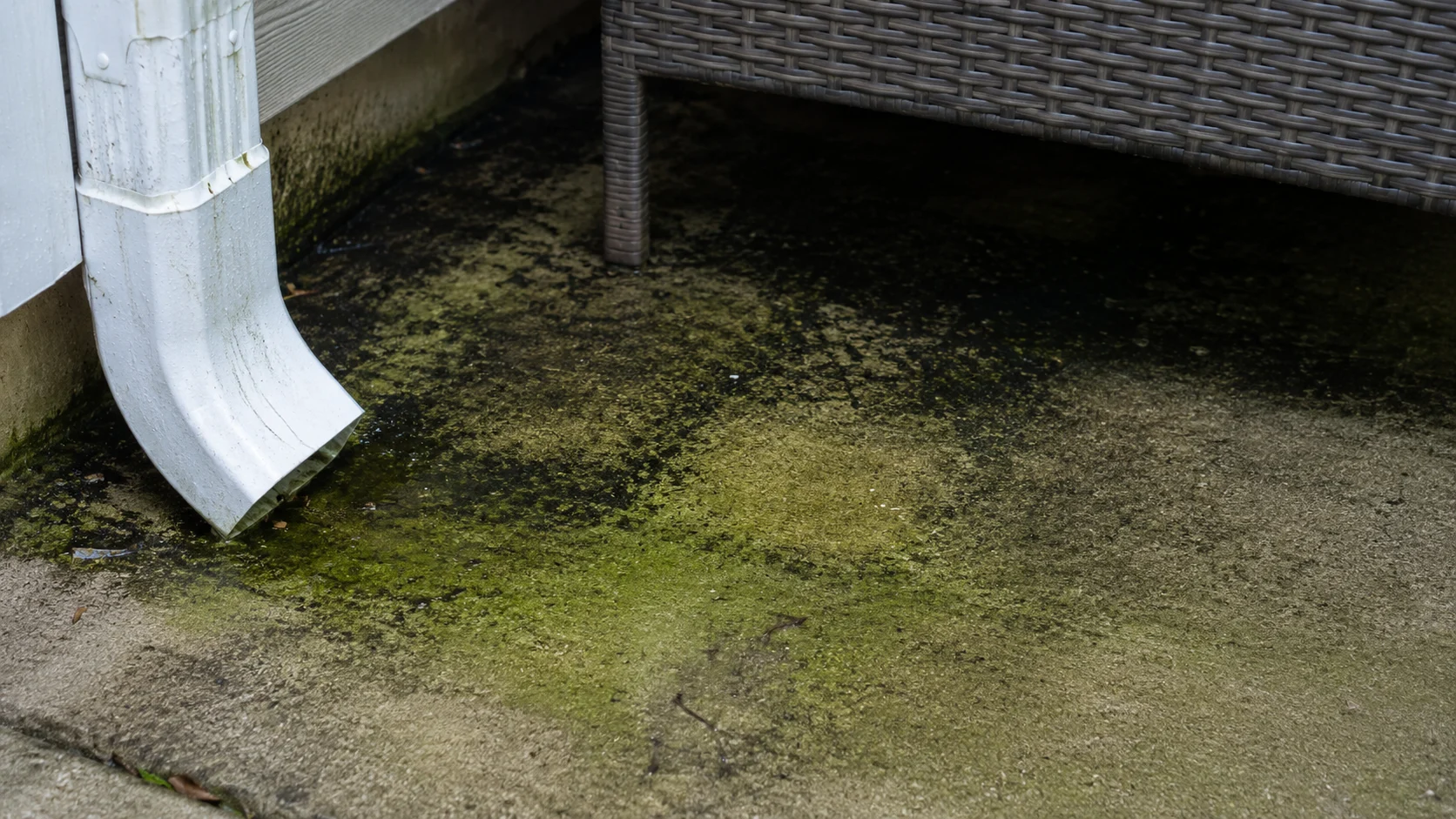
Green algae creeping across a back slab is one of the most common calls we get out of League City, and it's no surprise. This Galveston County city sits close enough to the bay that humid air settles in and stays, and that moisture is exactly what mildew, mold, and algae need to take hold on concrete and pavers.
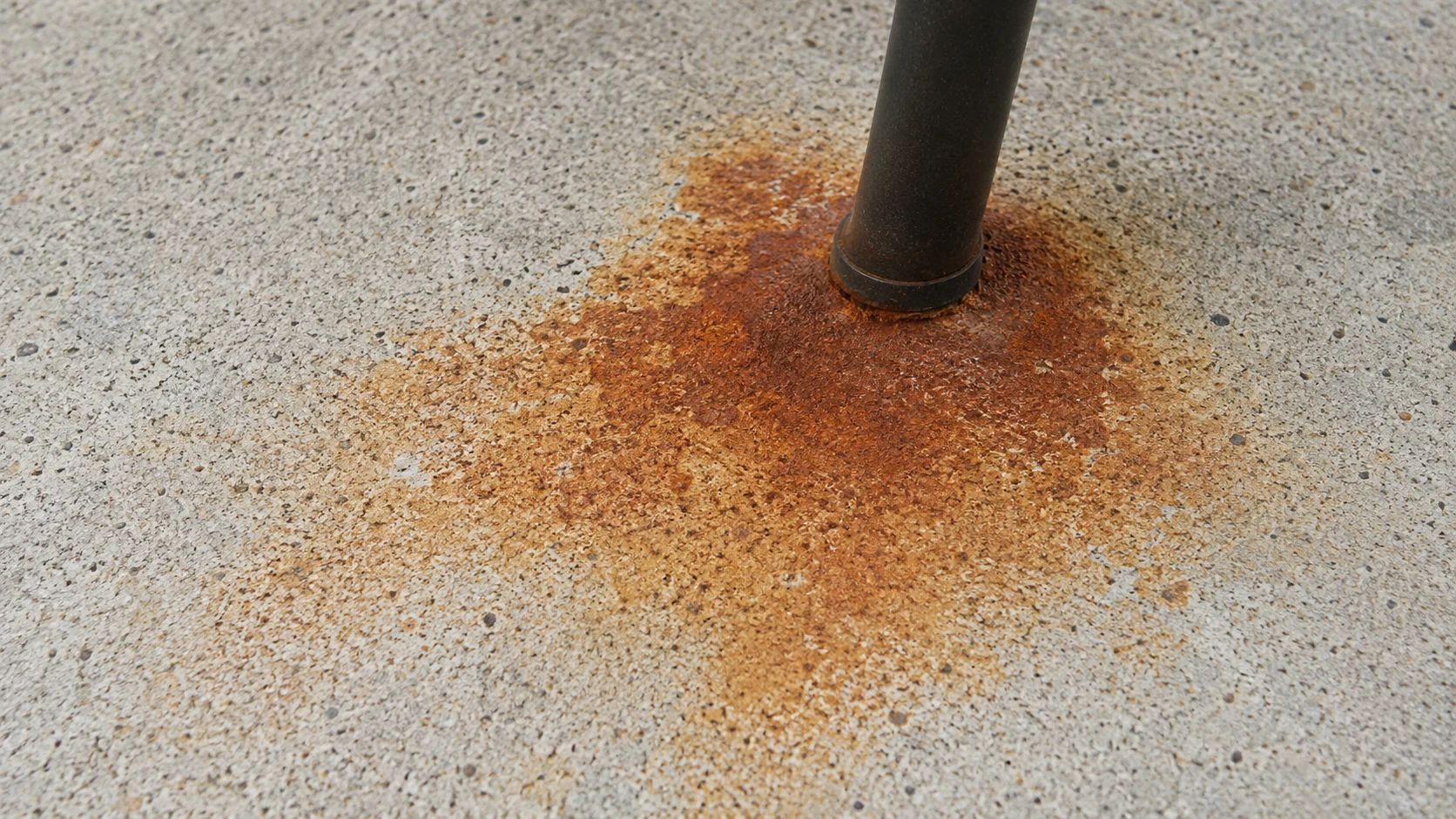
There's real pride in the patios, driveways, and pool decks here, from older waterfront neighborhoods to the newer master-planned communities spreading out across town. The frustrating part is that the same growth keeps returning. Heavy tree canopy drops tannin stains, metal patio sets leave rust in the damp, and shaded corners near downspouts stay dark no matter how often you sweep.
Folks in neighboring Dickinson, Friendswood, and Alvin run into identical problems with their outdoor concrete. The honest fix isn't just a one-time blast; it's cleaning paired with a sealer to slow the regrowth this climate practically guarantees. When you request a quote from us, it goes to one trusted local cleaner, never sold off to a pile of competing companies.
Cost estimator
Estimate your League City patio cleaning cost
Estimated range
$150 – $208
For 300 sq ft in League City. A real quote from a vetted local pro is free.
Why patios in League City get dirty fast
The Gulf Coast humidity problem
Patios in League City battle moisture year-round. The same humid Gulf air that defines Galveston County keeps slabs damp enough for algae and mildew to spread, especially where tree cover and furniture block the sun.
This isn't a once-a-summer nuisance — the damp keeps it going all year, and shaded spots near downspouts stay darkest. Add leaf tannin and furniture rust, and a simple wash won't hold; cleaning followed by a seal lasts far longer, the same advice that fits patios in Dickinson.
Clean, then seal
Make the clean last in League City
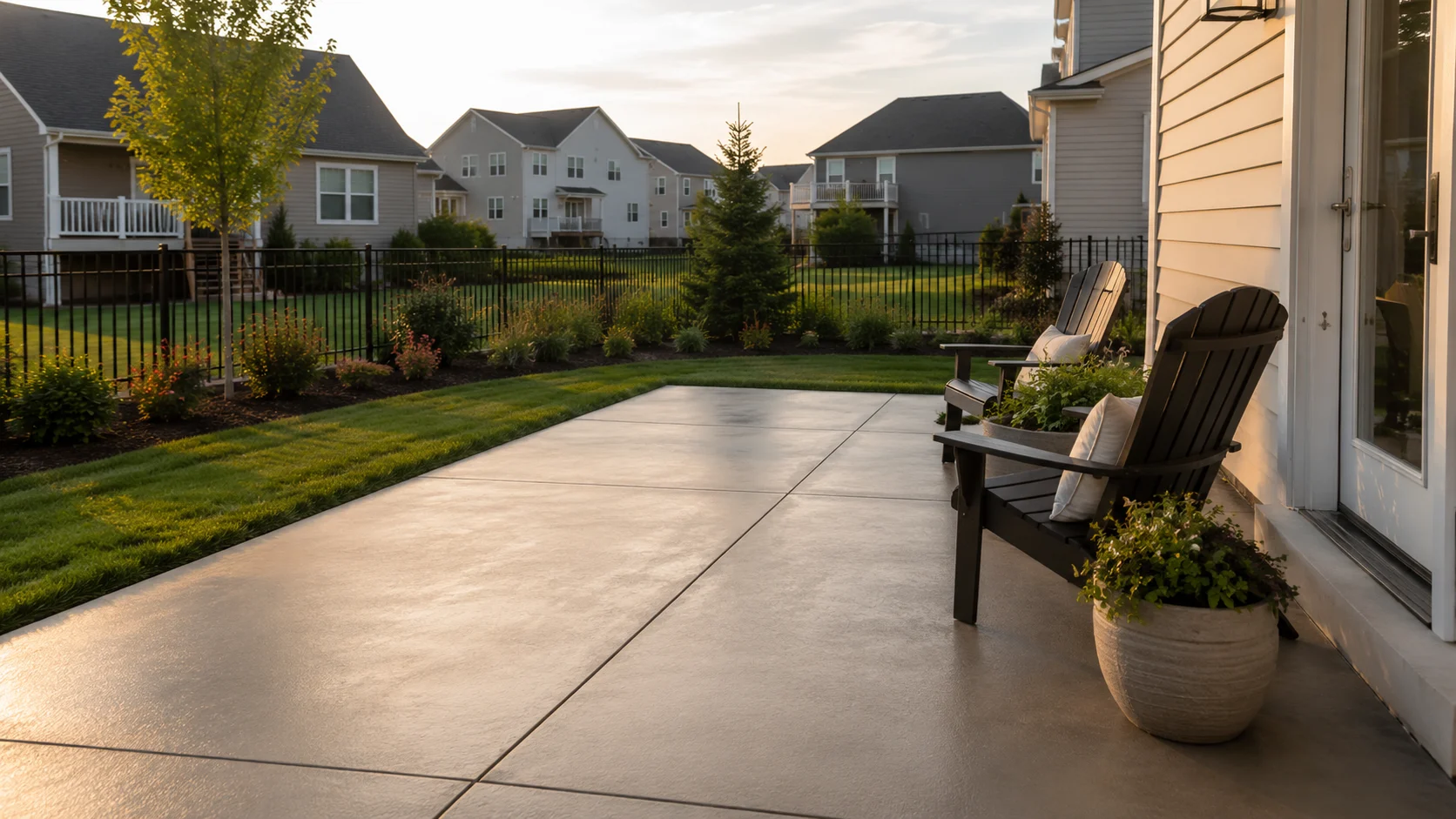
A bare wash looks great for a few weeks, but in this humidity the algae creeps back fast. Adding a seal after cleaning slows regrowth and keeps the slab brighter for far longer. You can add sealing to your estimate above to see how it changes the range.
Common questions
Patio cleaning in League City, TX
How much does concrete patio cleaning cost in League City?+
Expect somewhere between $160 and $425 for a typical League City patio, depending on size and how deeply the algae has set in. Bigger pool decks and driveways cost more, while a small porch slab is cheaper. If you want a sealer applied to slow regrowth, budget extra, though it stretches the time between cleanings.
What's the best season to clean a patio in League City?+
Given how steady the humidity stays near the bay, the cooler months from roughly November through March are your friend. Those drier stretches let cleaning products work and give a sealer time to cure. Still, heavy mildew shouldn't wait for a calendar, since it spreads year-round and only gets harder to remove the longer it sits.
Is DIY pressure washing worth it in League City, or should I hire someone?+
You can rent a washer and tackle light dirt, but high pressure easily gouges concrete and won't stop algae from returning, because it doesn't treat the root growth. Around here that means the green is back in a few months. A pro uses the correct solution and can seal the surface, which is the part that genuinely holds up.
How often should League City patios be cleaned?+
Once a year suits most open, sunny slabs, but shaded patios and anything under tree cover usually need attention twice annually. With bay moisture feeding growth nearly nonstop, north-facing concrete and spots near downspouts green over fastest. Sealing after a cleaning can push your next service further out and keep the surface looking fresh longer.
Why does my League City pool deck get so slippery?+
That slickness is almost always a thin film of algae feeding on constant moisture and splash-out. Pool decks stay wet, which makes them prime real estate for growth, and it creates a real slip hazard. A thorough cleaning that kills the algae, followed by a non-slip-friendly seal, restores traction and keeps the deck safer underfoot.
Also serving nearby