Houston metro · county hub
Concrete Patio Cleaning in Galveston County, TX
Local cleaning advice, costs and vetted pros across Galveston County.
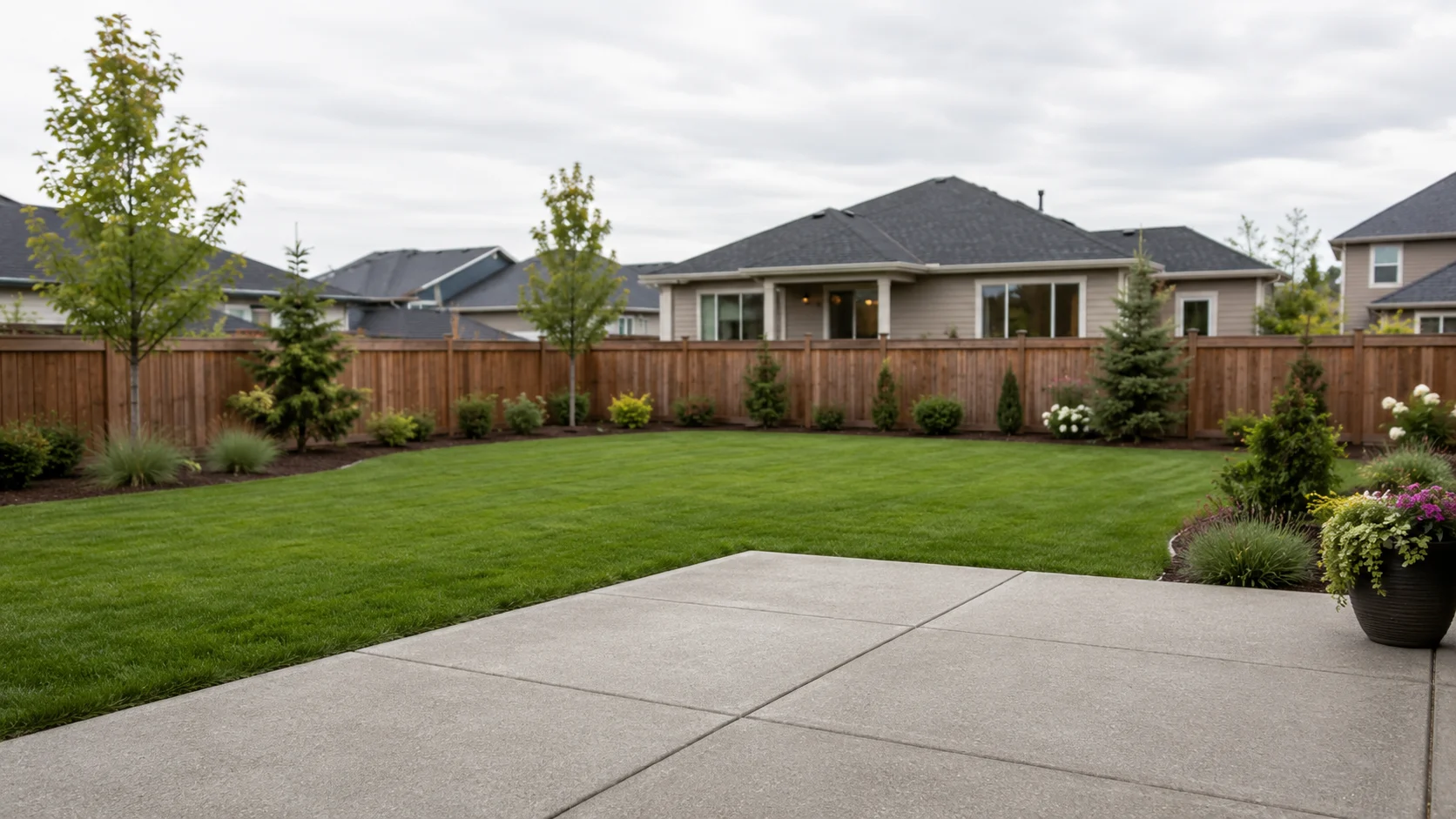
Why Galveston County concrete lives a harder life by the water
Concrete cleaning in Galveston County is its own discipline, and the reason is sitting in the air. This is coastal Texas, where the Gulf and the bays push salt, spray, and a thick, almost constant humidity across every driveway, pool deck, walkway, and patio. Inland, a slab might dry out fully between rains and stay clean for months. Here it rarely gets that chance. Sea air keeps surfaces damp longer, salt settles into the pores of the concrete, and the warm, moist environment that makes the coast so pleasant for people is exactly what algae, mildew, and mold crave. The result is staining that comes back faster and digs in deeper than it does just a few miles north, and a cleaning routine that has to account for water in the wind, not just water from the sky.
If you have ever pressure-washed a patio near the bay only to watch a green or black film creep back within weeks, you are not imagining it and you are not doing anything wrong. The coastal setting resets the clock. Understanding how salt and humidity actually attack your surfaces is the first step to keeping them clean for longer, choosing the right pro, and not wasting money on a cleaning that washes away before the season turns.
How salt and coastal humidity attack concrete here
Most people picture salt as a problem only for cars and metal. On the coast, it is also a problem for your slab. Salt is hygroscopic, which means it pulls moisture out of the air and holds onto it. When wind-driven sea spray and bay mist deposit fine salt onto a driveway or pool deck, that salt sits in the surface and keeps the concrete damp far longer than it would be inland. Damp concrete is a buffet for organic growth, so the same patio gets re-colonized by algae and mildew again and again. This is the single biggest reason regrowth is faster near the water: the surface almost never truly dries.
Salt also works its way down into the pore structure of the concrete itself. Concrete is not solid; it is full of tiny capillaries. Salt-laden moisture wicks into those pores, and as the surface dries in the sun and wind, the water evaporates and leaves the salt behind. Over many cycles this can push a chalky white residue to the surface, a process closely related to efflorescence. Those white, dusty, or crystalline deposits you see on bayfront slabs, retaining walls, and the bases of columns are mineral salts that have migrated out of the concrete and dried on top. Efflorescence is cosmetic at first, but it is a signal that moisture is moving freely through the slab, and it needs a different treatment than ordinary dirt or algae. Scrubbing it with the same soap you would use on a greasy garage floor usually just smears it.
Then there is the metal. Coastal salt accelerates corrosion on anything iron or steel that touches or sits near your concrete: railing posts set into a patio, gate hardware, furniture feet, fasteners on a deck, even rebar where a slab has cracked and the reinforcement is exposed. Rust bleeds, and rust stains on light concrete are some of the most stubborn marks to remove because they are not on the surface, they are absorbed into it. Near the water, what starts as a clean-looking slab can develop orange streaks below railings and around anchor bolts within a season or two if the metal is not protected.
Layer humidity on top of all of this and you have the coastal trifecta. The Gulf keeps relative humidity high through much of the year, mornings bring heavy dew, and shaded north-facing patios may stay wet for hours after the rest of the property has dried. Algae and mold do not need much: moisture, a little shade, and a textured surface to grip. Galveston County gives them all three, generously.
The cities we cover across Galveston County
This hub connects you with concrete and patio cleaning pros across the mainland communities of Galveston County, each with its own relationship to the water. In League City, where neighborhoods spread along Clear Creek and the bayous feeding Galveston Bay, waterfront and near-water homes deal with bay humidity and spray that keep pool decks and driveways damp and quick to green up. Dickinson sits along Dickinson Bayou, and properties close to the water there see the same salt-and-moisture cycle that drives faster algae regrowth on patios and walkways. La Marque and neighboring Texas City sit right against the bay and the industrial waterfront, where salt air, dampness, and wind-driven moisture are a daily reality and exposed concrete needs a cleaning approach built for coastal conditions, not a generic inland scrub. Whether you are on a canal, a few blocks back, or out toward the more open bayfront, the pros listed here understand that cleaning a coastal slab and keeping it clean are two different jobs.
When to clean in coastal salt-air conditions
Timing matters more on the coast because the growth pressure is higher. A good general rhythm for Galveston County is to clean before the warm, humid stretch of the year really sets in, then plan on a maintenance touch-up rather than assuming one cleaning will hold all year. Surfaces that stay shaded or sit low where bay mist collects may need attention twice as often as a sunny, well-drained driveway. Watch for the early signs: a faint green haze, a slippery feel underfoot when the patio is wet, darkening in the grout lines or texture, or the first chalky white bloom that signals salt is migrating to the surface. Catching growth early means a gentler, cheaper clean. Letting it mature into thick black algae or set-in rust means a harder, costlier job.
Avoid cleaning right when salt deposition is heaviest, such as during a strong onshore blow, since you will just be re-coating the surface as you finish. Many coastal pros prefer to clean and then, where appropriate, rinse with fresh water to flush salt out of the pores rather than driving it deeper.
Why sealing matters even more near the water
Inland, sealing concrete is a nice-to-have. On the Galveston County coast, it is closer to essential. A quality penetrating sealer reduces how much salt-laden moisture the concrete can absorb, which slows efflorescence, gives algae less constant dampness to feed on, and makes the next cleaning far easier because dirt and growth sit more on the surface instead of soaking in. Sealing also helps protect against the freeze-and-salt stress the slab takes through the year. It is not permanent, especially under heavy coastal exposure, so plan to reseal on a regular cycle and ask your pro what product holds up best in a salt-air environment. A slab that is cleaned and then promptly sealed will stay looking good dramatically longer than one that is cleaned and left bare to soak up the next round of spray.
What drives cost locally, and what to ask a pro
Coastal conditions add a few specific cost factors beyond the usual square footage and access. Expect price to be influenced by:
- Salt staining and efflorescence — white mineral deposits often need a specialized acidic or salt-targeted treatment, not just a general wash, which adds labor and product.
- Faster, heavier regrowth — thick algae and mildew built up over a humid season take more dwell time and stronger treatment than a light surface clean.
- Rust and metal staining — corrosion bleed from railings, fasteners, or exposed rebar usually requires dedicated rust removers and careful application.
- Surface type — stamped concrete, exposed aggregate, pavers, natural stone, and wood or composite decks each call for different pressures, chemicals, and techniques.
- Sealing — adding a seal step costs more upfront but lowers your long-run maintenance, which matters more on the coast than almost anywhere else.
When you talk to a pro, ask coastal-specific questions: Do you treat salt and efflorescence differently from ordinary dirt? Will you use soft washing on delicate or growth-heavy surfaces instead of blasting them? How do you handle rust bleed from railings and hardware? Do you rinse with fresh water to flush salt afterward, and do you offer a sealer rated for salt-air exposure? Their answers will tell you quickly whether they understand cleaning by the bay or just brought an inland playbook to the coast.
Common coastal patio and deck surfaces
Across these communities you will find broom-finished concrete driveways and walkways, smooth and stamped concrete patios, exposed aggregate, brick and concrete pavers, and pool decking that takes constant moisture. Many homes also have wood or composite decks and covered porches that face the same salt and humidity. Each of these reacts differently to pressure and chemicals, and the wrong combination can etch concrete, splinter wood, or strip a sealer prematurely. Matching the method to the surface is exactly the kind of judgment a coastal-savvy pro brings, and it is why the right cleaning lasts longer here than a one-size-fits-all approach ever could.
Typical cost in Galveston County
What a patio cleaning runs here
$150 – $208
Standard clean, ~300 sq ft, moderate algae and mildew.
$428 – $1,153
Same job, cleaned and sealed to slow Gulf Coast regrowth.
Pick your city below for an exact local estimate and one free quote.
Cities we serve in Galveston County
4 towns covered
Common questions
Patio cleaning in Galveston County
Why does algae come back so fast on my patio near the bay?+
Coastal salt is hygroscopic, meaning it pulls moisture from the humid sea air and holds it on your concrete. That keeps the surface damp long after inland slabs have dried, and persistent dampness is exactly what algae and mildew need to recolonize. Near the water you should expect faster regrowth and plan for maintenance cleanings, plus sealing, rather than assuming one wash will hold all year.
What are the white, chalky deposits on my coastal concrete?+
Those are mineral salts, a process called efflorescence. Salt-laden moisture wicks into the concrete's pores, then evaporates at the surface in the coastal sun and wind, leaving white crystalline residue behind. It is common on bayfront slabs, walls, and column bases. Efflorescence needs a salt-targeted or mild acidic treatment, not ordinary soap, which usually just smears it around without removing the underlying deposit.
Do I really need to seal concrete here, or is that an upsell?+
On the Galveston County coast, sealing is closer to essential than optional. A quality penetrating sealer reduces how much salt-laden moisture the slab absorbs, which slows efflorescence, starves algae of constant dampness, and makes future cleanings far easier. Sealer wears down under heavy salt-air exposure, so plan to reseal on a regular cycle and ask your pro for a product rated for coastal conditions.
Where are the orange rust stains on my driveway coming from?+
Coastal salt accelerates corrosion on any iron or steel near your concrete, including railing posts, gate hardware, furniture feet, fasteners, and exposed rebar in cracks. Rust bleeds and soaks into the porous surface, so the stain is absorbed rather than just sitting on top. Removing it takes a dedicated rust remover, and protecting or sealing the metal helps stop the streaks from returning each season.
When is the best time to clean concrete in coastal salt-air conditions?+
Aim to clean before the warm, humid stretch of the year sets in, then plan a maintenance touch-up rather than expecting one cleaning to last. Shaded, low-lying areas where bay mist collects may need attention twice as often. Avoid cleaning during a strong onshore wind, since fresh salt spray re-coats the surface as you finish. Catching growth early keeps the job gentler and cheaper.
Should the pro do anything special because I'm near the water?+
Yes. Ask whether they treat salt and efflorescence differently from ordinary dirt, use soft washing on delicate or growth-heavy surfaces instead of high pressure, handle rust bleed from railings and hardware, and rinse with fresh water afterward to flush salt out of the pores. Coastal-savvy pros also offer sealers rated for salt-air exposure, which matters far more here than at inland properties.