Blog · May 14, 2026
How to Remove Oil Stains From a Concrete Patio

Marcus Reyes — Senior Cleaning Guides Editor, 10+ years in exterior cleaning & concrete care.
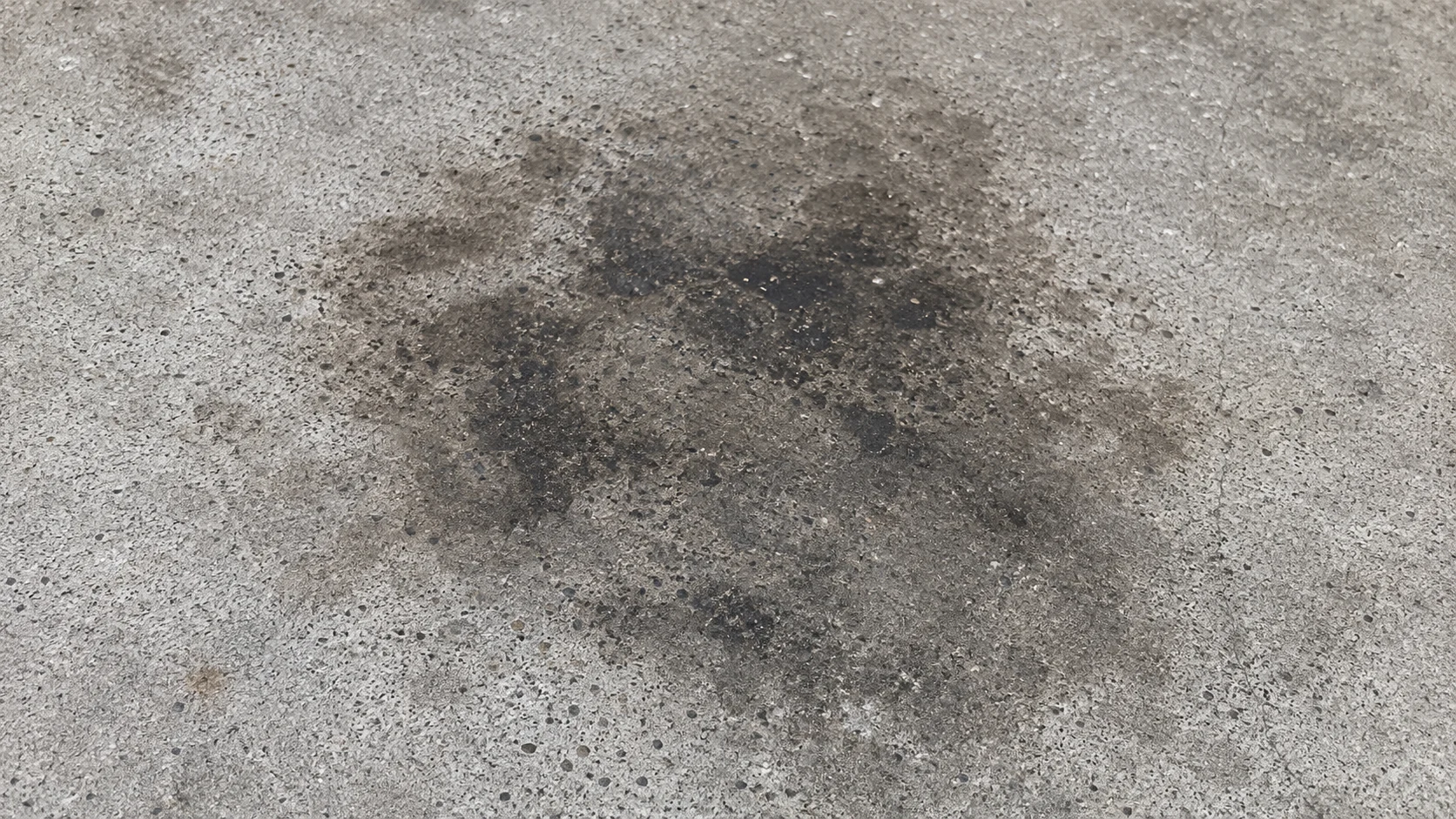
I spent the better part of a decade running pressure-washing and soft-wash crews along the Gulf Coast, and if there's one stain that gets a homeowner's blood up, it's oil. A dropped chicken thigh from the grill, a leaky generator after a hurricane, a brake-fluid drip from the truck someone parked on the patio — the dark halo shows up overnight and then just sits there mocking you. The good news: most oil stains on a concrete patio come out. The bad news: people reach for the wrong product first (usually bleach), waste an afternoon, and sometimes etch their slab. Let me walk you through what actually works, in the order I'd do it myself.
Why oil stains are so stubborn on concrete
Concrete looks solid, but under a microscope it's a sponge. The surface is full of microscopic pores and capillaries, and when oil hits it, the liquid wicks down into those channels by capillary action. That's the whole problem in a nutshell: the stain you see isn't sitting on the slab, it's soaked into it. Wiping the surface does almost nothing because the oil has already migrated below it.
Oil and water don't mix, either, so a garden hose just beads off the top. To get oil out you have to do one of two things: emulsify it (break it into tiny droplets a water rinse can carry away, which is what soap and degreasers do) or draw it back up out of the pores (which is what a poultice does). Understanding that difference is the key to picking the right method, and it's covered in more depth in our guide on why concrete patios get dirty.
Fresh stains vs. set-in stains
Timing matters enormously. A spill you catch in the first hour has barely penetrated and usually lifts with soap and hot water. A stain that's been baking in the Texas sun for six months has worked deep into the slab, and the lighter components have evaporated, leaving the heavy, sticky residue behind. Set-in stains almost always need a poultice or a microbial cleaner — surface scrubbing won't reach them. Be honest with yourself about which one you've got before you start; it'll save you a lot of frustration.
Step 1: Blot and absorb a fresh spill immediately
If the oil is still wet, your first job is to remove as much as possible before it sinks in. Do not hose it — water spreads the slick and drives it deeper.
- Blot, don't wipe. Lay paper towels or a rag over the puddle and press to soak up the liquid. Wiping smears it across more pores.
- Cover with a dry absorbent. Plain clay-based cat litter (the cheap non-clumping kind) is the classic choice. Cornstarch, baking soda, sawdust, or commercial oil-dry all work too. Pile it on thick.
- Grind it in lightly and wait. Step on the litter or crush it with a brick to increase surface contact, then leave it for several hours — overnight is better for a larger spill.
- Sweep up and dispose. Sweep the saturated absorbent into a bag. Oil-soaked litter is not always regular trash, so check your local rules for disposal.
This won't make the stain vanish, but it pulls out the bulk of the oil and dramatically improves what the next steps can achieve.
Step 2: Dish soap and hot water scrub
For fresh or light stains, a good grease-cutting dish soap is shockingly effective — it's literally engineered to emulsify oil. Here's the routine:
- Boil or run the hottest water you can get into a bucket. Heat thins the oil and helps the soap work.
- Squirt a generous amount of dish soap directly onto the stain.
- Pour the hot water over it and scrub hard with a stiff nylon brush. Skip wire brushes — they can leave metal bits that rust-stain the concrete.
- Let the soapy slurry sit five to ten minutes so it keeps working, then scrub again.
- Rinse thoroughly and let it dry. Concrete dries lighter than it looks wet, so wait a full day before you judge the result. Repeat if it faded but didn't clear.
If two rounds of this don't get you there, the oil is deeper than soap can reach, and it's time to step up to a degreaser or a poultice.
Step 3: Concrete degreasers and alkaline cleaners
Degreasers are stronger emulsifiers than dish soap. Most concrete degreasers are alkaline (high pH), which is exactly what you want for grease — alkalinity breaks down oils chemically rather than just lifting them. You'll find them sold as concrete or driveway degreaser, and many heavy-duty cleaners (the purple-bottle types) are alkaline degreasers too.
Apply per the label: usually you wet the area, work the product in with a brush, let it dwell so it can react, and rinse. Don't let it dry on the surface, and wear gloves and eye protection — alkaline cleaners are caustic enough to irritate skin. These do great on moderate stains and grease films but still struggle with old, deeply absorbed oil. For that, you need to physically pull the oil back out.
Step 4: The poultice method for deep, set-in stains
This is the technique most homeowners have never heard of, and it's the single most reliable way to remove old oil. A poultice is a paste that you spread over the stain and let dry. As it dries, it draws the dissolved oil up out of the pores and into the paste — reverse capillary action. You're essentially making the slab "sweat out" the stain.
You can buy a commercial poultice, or mix your own. A simple DIY version:
- Pick a solvent. For oil, acetone, mineral spirits, or even a strong degreaser solution works as the active liquid. (Test acetone on a hidden spot first; never mix solvents with bleach or acids.)
- Pick an absorbent powder. Baking soda, diatomaceous earth, talc, or plain flour. The goal is a fine powder that holds the solvent and wicks well.
- Mix to a peanut-butter consistency. Combine powder and solvent into a thick, spreadable paste.
- Apply about a quarter-inch thick over the stain, extending a little past its edges.
- Cover with plastic and tape the edges. This slows drying so the solvent has time to dissolve the oil before the paste hardens. Some folks poke a few small holes for controlled drying.
- Wait 24 to 48 hours until the poultice is bone dry and crusty.
- Scrape it off with a plastic putty knife (not metal, which scratches), sweep up, and rinse.
One application can lift a stain dramatically; a deep one may take two or three rounds. Tedious, yes, but it reaches oil that no amount of scrubbing ever will. Work in a ventilated area, keep solvents away from flames, and dispose of the dried poultice responsibly.
Step 5: Microbial and enzymatic cleaners
My favorite low-effort option for organic oils (motor oil, cooking grease, food spills) is a microbial or enzymatic cleaner. These contain living bacteria or enzymes that literally eat the hydrocarbons, digesting the oil over days into carbon dioxide and water. You apply the product, keep the area damp, and let the microbes work — no scrubbing, no harsh chemicals.
The trade-off is time: results show over several days to a couple weeks, and the bugs need moisture and warmth to stay active, so they're slow in cold weather. But for an old stain on a slab you're not in a hurry about, they're outstanding and the least likely to damage anything. They're also great for that lingering shadow a poultice leaves behind.
Where pressure washing fits — and its limits
A pressure washer is a finishing tool here, not the hero. High-pressure hot water plus a degreaser pre-treatment will blast loosened, emulsified oil off the surface beautifully. But pressure alone does not remove oil that's soaked into the pores — you're just pushing water at a stain that water can't carry away. Worse, a tight, high-pressure stream held too close can etch or "burn" the concrete surface, leaving permanent marks.
Use it the right way: apply your degreaser, let it dwell, then rinse with the washer using a wider fan tip kept moving and a reasonable distance off the slab. Hot-water units help a lot with grease. For the full rundown on technique, see our guide on how to clean a concrete patio.
What NOT to do
- Bleach won't remove oil. This is the number-one mistake I see. Bleach is an oxidizer — it lightens organic color and kills biological growth like mold and algae. It does nothing to dissolve grease. It may fade the stain's color a touch while leaving the actual oil sitting in the slab. For biological stains, that's a different job — see how to remove mold from a concrete patio.
- Be very careful with muriatic acid. People reach for it because it's aggressive, but acid doesn't dissolve oil either — and it etches concrete, eats the cement paste, can dull or pit the surface permanently, and gives off fumes that burn lungs and skin. At most it's a last-resort etch to expose fresh concrete, used heavily diluted with full protective gear. It is not an oil remover.
- Never mix chemicals. Bleach plus acid makes toxic chlorine gas; bleach plus ammonia makes chloramine gas. Pick one method, rinse fully between products.
- Don't use wire brushes — embedded metal fragments rust and create new stains.
When to call a pro
Plenty of oil stains are a weekend DIY job. But there are times the math favors hiring out. Large stains — say a whole parking pad soaked from a leaking vehicle — or old, deeply set stains can need repeated poultices and commercial-grade equipment that's not worth buying for one job. If your patio is stamped, colored, or decorative, the risk of etching or discoloration is high and a pro's experience pays for itself. And if the oil has been there for years and shrugged off your first attempts, a contractor with hot-water pressure equipment and pro degreasers will usually finish it faster than you'll grind through three rounds of paste.
If you're weighing the cost, our independent concrete patio cleaning cost guide breaks down typical pricing, and city pages like Katy, TX and Pearland, TX include a free cost calculator so you can ballpark a job before you ever pick up the phone. For large or old set-in oil stains in particular, a pro is often worth it.
Seal it so it doesn't happen again
Once your concrete is clean and fully dry, sealing is the smartest thing you can do to prevent the next stain. A quality penetrating sealer soaks in and fills those open pores, so the next oil drip beads on top long enough for you to wipe it up instead of wicking down into the slab. Topical sealers add a surface film with similar protection. Make sure the concrete is completely clean and dry — any residual oil or moisture will keep the sealer from bonding — and reapply every couple of years depending on traffic and product. Around the grill or wherever cars park, a cheap mat or drip tray is the lazy man's insurance policy, and I use one myself.
Oil stains feel permanent the morning you find them, but with the right approach — absorb fast, emulsify with soap or degreaser, pull deep stains out with a poultice or let microbes digest them — the vast majority come clean. Match the method to the age of the stain, skip the bleach, respect the acid, and seal when you're done. That's how the crews do it.
Common questions
Frequently asked
Do oil stains permanently stain concrete?+
Not usually. Oil soaks into concrete's pores, but most stains come out with the right method. Fresh spills lift with dish soap and hot water; old, deep stains respond to a poultice that draws the oil back out, or to enzymatic cleaners that digest it. A faint shadow can linger, but a truly permanent oil stain is rare.
Will pressure washing remove oil from a concrete patio?+
Only partly. A pressure washer blasts away surface oil and rinses off degreaser you've applied, but it cannot remove oil that has soaked into the pores — water just can't carry oil away. Always pre-treat with a degreaser first, and keep the tip moving and back from the slab, since high pressure can etch concrete permanently.
What is the best oil stain remover for concrete?+
It depends on the stain's age. For fresh spills, grease-cutting dish soap and hot water work great. For moderate stains, an alkaline concrete degreaser. For old, set-in stains, a poultice (solvent plus absorbent powder) pulls oil out of the pores, while microbial or enzymatic cleaners slowly digest it with no scrubbing.
Does bleach remove oil stains from concrete?+
No. Bleach is an oxidizer that lightens color and kills mold or algae, but it does nothing to dissolve grease. It might fade a stain's appearance slightly while leaving the actual oil in the slab. Use soap, degreasers, a poultice, or enzymatic cleaners for oil, and save bleach for biological stains like mold.
Marcus Reyes · Senior Cleaning Guides Editor
Marcus Reyes spent over a decade in residential exterior cleaning and concrete surface care before moving into editorial work. He came up running pressure-washing and soft-wash crews across the Gulf Coast, where he handled everything from algae-covered patios to set-in oil stains and sealing jobs in high-humidity conditions. He now writes and edits Concrete Patio Cleaning's how-to library, translating field experience into plain-language guidance homeowners can actually use. Marcus focuses on what works, what damages a surface, and when a job is genuinely worth hiring out — drawing on the hands-on trade-offs he learned on the job rather than theory.
Background: 10+ years hands-on residential pressure-washing, soft-wash, and concrete sealing.