News · May 20, 2026
Can You Pressure Wash a Driveway? 2026 State Rules

Dana Whitfield — Industry & Regulatory Editor, covering water policy & HOA rules.
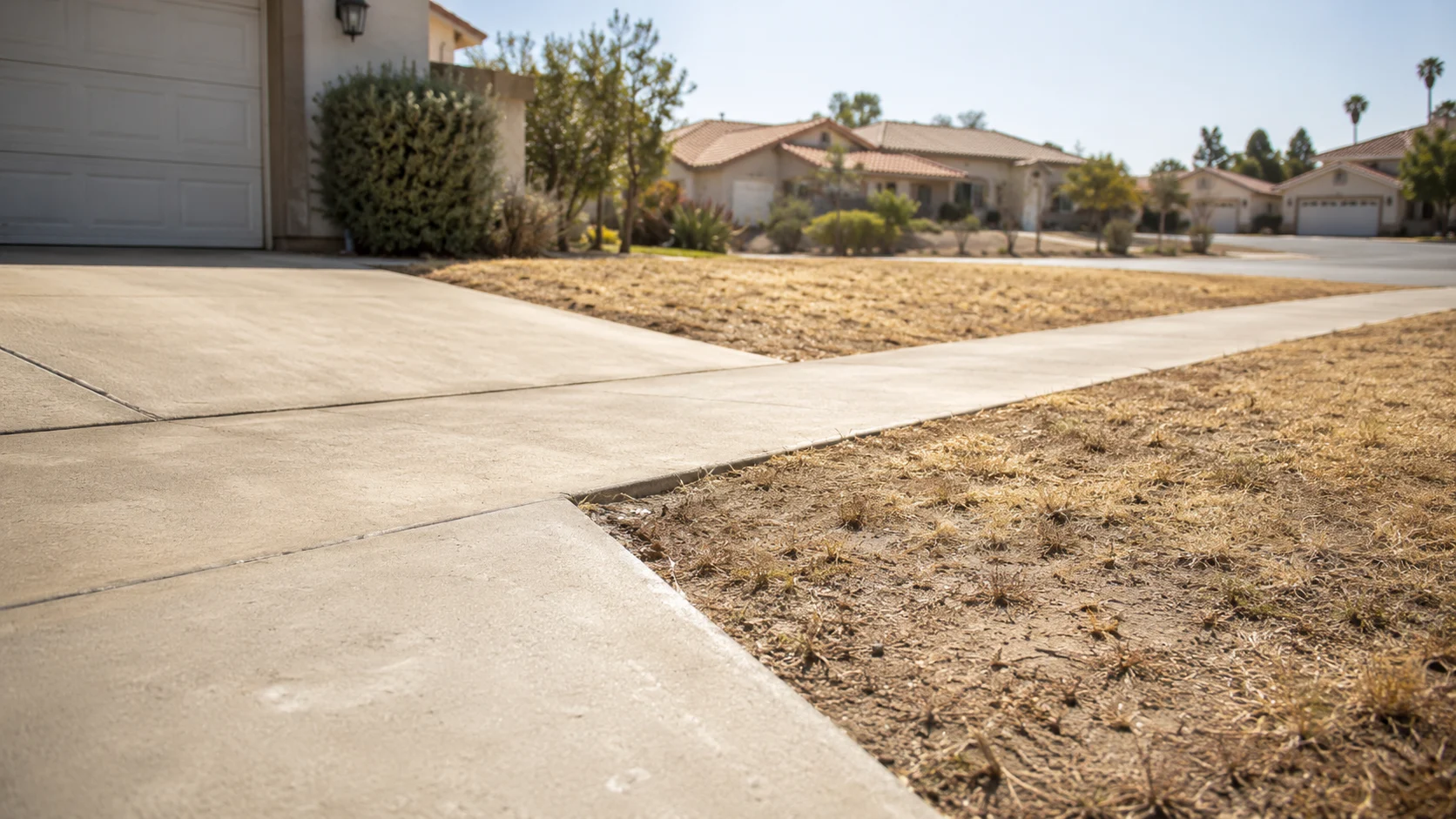
If you have searched whether you can pressure wash your driveway in 2026, the honest answer is: it depends on where you live and what stage of drought response your water provider is in. Across much of the western and southern United States, washing hardscape surfaces with potable water is one of the first activities restricted when supplies tighten. This national hub explains why driveways, patios, and sidewalks are singled out, what the common rules look like, the exemptions that most people overlook, and how to clean responsibly without breaking the rules.
One important point up front: there is no single national rule. The United States manages water at the state, regional, and utility level, so the question is never simply "is pressure washing legal" but rather "what does my water provider allow right now." Two homes a few miles apart can be served by different districts with different conservation triggers, which is why a neighbor's experience is not a reliable guide for your own property. The sections below give you the patterns that hold across most jurisdictions, then point you to state-specific detail.
Why hardscape washing gets restricted first
During drought, state water boards and regional water districts generally rank outdoor water uses by how essential they are. Drinking, cooking, sanitation, and keeping people safe sit at the top. Spraying down a driveway or patio sits near the bottom because it is almost always discretionary and because it sends treated, drinkable water straight into a storm drain. That combination — non-essential plus high runoff — is exactly why hosing or pressure washing paved surfaces is among the earliest measures suspended when conservation stages escalate.
There is also a water-quality angle. Many municipalities prohibit washing dirt, oil, and debris into storm drains year-round, drought or not, because that runoff flows untreated into local waterways. So even in wetter states, the act of blasting a driveway clean and letting the dirty water run to the gutter can run afoul of stormwater rules independent of any drought stage.
What the common rules actually say
While the specifics vary by state and district, the restrictions tend to cluster around a few recurring provisions:
- Washing paved surfaces with potable water is prohibited during active conservation stages. This typically names driveways, sidewalks, patios, decks, and parking areas.
- Hoses must have a shut-off nozzle. Free-flowing hoses are commonly banned outright.
- Runoff into streets and storm drains is not allowed, which applies in many places regardless of drought.
- Restrictions are tied to declared stages. A provider in Stage 1 may only ask for voluntary cutbacks, while Stage 2 or higher often makes hardscape washing an enforceable prohibition.
Because rules attach to a declared stage rather than the calendar, the same address can be permitted to wash one month and restricted the next. That is the single most important thing to understand before you start.
It is also worth distinguishing between voluntary and mandatory measures. Early conservation stages are often advisory, asking residents to cut back without penalties. As conditions worsen, the same language can become an enforceable prohibition, and some districts move to fines or escalating notices for repeat violations. We do not publish specific penalty figures here because they vary widely and change often; treat any restriction as enforceable and check with your provider if you need certainty about consequences in your area.
The exemptions most people miss
This is where the useful nuance lives. Even where general washing is banned, water boards and districts commonly carve out exceptions because some cleaning serves a purpose beyond appearance. The exact wording differs by jurisdiction, but three exemptions show up again and again:
- Health and safety. Cleaning that addresses an immediate hazard — for example, removing a spill, a slip risk, or a sanitation problem — is frequently allowed even under tighter stages.
- Surface preparation. Washing that is a necessary step before painting, sealing, resurfacing, or applying a coating is often permitted, since the cleaning is part of a maintenance or repair project rather than cosmetic upkeep.
- Removal of biological growth. Clearing algae, mold, mildew, or moss is commonly treated as a safety or maintenance task because these growths make surfaces slippery and can degrade them. Many districts allow this even when general driveway washing is off the table.
None of these exemptions is universal, and most still expect you to use water efficiently and avoid runoff. But they explain why a cleaning that targets slick algae on a walkway may be fine while simply spraying off dust for looks is not. Always confirm the language your specific provider uses before relying on an exemption.
The soft-wash workaround
One reason these exemptions matter is that they line up neatly with a lower-water method called soft washing. Instead of relying on high-pressure water volume to scour a surface, soft washing applies a cleaning solution — typically a diluted detergent and, for biological growth, a sanitizing agent — that does the work chemically, then rinses with far less water. Because it uses a fraction of the water a high-volume pressure wash consumes and is well suited to removing algae and mildew, soft washing is often compatible with conservation rules where traditional pressure washing is restricted. We cover this approach in detail in our guide to water-restriction-compliant soft washing.
How to stay compliant
A few practical steps keep you on the right side of the rules:
- Check your current stage first. Look up your water provider or regional district and confirm what stage is in effect this week, not last season.
- Match the method to the job. If the issue is slippery algae or you are prepping to seal a surface, document that you fall under an allowed use.
- Use a shut-off nozzle and minimize water. Even where washing is allowed, efficient use is usually expected.
- Keep runoff out of the storm drain. Sweep first, contain wash water where you can, and avoid sending debris and chemicals to the gutter.
- Consider soft washing as a lower-water alternative that often satisfies both drought and stormwater concerns.
For general guidance on getting paved surfaces clean, see our overviews of driveway cleaning and patio cleaning.
State-by-state quick rundown
Restrictions and their triggers differ meaningfully from state to state. Below is a quick orientation with links to our detailed breakdown for each. These are the states where readers most often ask whether hardscape washing is allowed:
- California — Among the most active on conservation, with prohibitions on washing paved surfaces during declared shortages and standing rules against gutter runoff. See California driveway pressure washing restrictions.
- Arizona — Many providers in this arid state set conservation stages that limit non-essential outdoor water use, including hardscape washing. See Arizona driveway pressure washing restrictions.
- Texas — Drought response is largely handled by utilities and districts, many of which restrict washing pavement at higher stages. See Texas driveway pressure washing restrictions.
- Colorado — Front Range providers commonly enact watering and washing limits during dry periods, with stormwater rules layered on top. See Colorado driveway pressure washing restrictions.
- Georgia — Even in the wetter Southeast, periodic droughts trigger outdoor water-use rules, and stormwater runoff ordinances apply year-round. See Georgia driveway pressure washing restrictions.
A note on timing
Rules are current as of May 2026; restriction stages change frequently — confirm the current stage with your local water provider or district before washing. A measure that is voluntary today can become an enforceable prohibition within days of a stage escalation, and the reverse is true once conditions improve. This guide is an independent overview to help you ask the right questions; your provider has the authoritative, up-to-the-minute answer for your address.
Regulatory details in this article reflect rules as of the dates noted and can change. Always verify current restrictions with your water management district and your HOA’s governing documents before scheduling work.
Common questions
Frequently asked
Can I pressure wash my driveway during a drought?+
It depends on your water provider's current conservation stage. In many drought-affected states, washing paved surfaces with potable water is prohibited once a district declares a higher stage. During voluntary or low stages it may still be allowed. Always confirm the active stage with your local water provider before washing, since the rules can change quickly.
Is removing algae or mold still allowed?+
Often, yes. Many water boards and districts treat removing biological growth such as algae, mold, mildew, or moss as a health and safety task because it makes surfaces slippery and can damage them. This is frequently exempt even when general driveway washing is restricted, but the exact wording varies, so verify your provider's rules first.
What is soft washing?+
Soft washing applies a diluted cleaning solution, and a sanitizing agent for biological growth, that cleans chemically rather than relying on high water pressure, then rinses with far less water. Because it uses a fraction of the water a high-volume pressure wash consumes, it is often compatible with conservation rules where traditional pressure washing is restricted.
Why are driveways and patios restricted before other uses?+
Water authorities generally rank outdoor uses by necessity. Spraying hardscape is discretionary and sends treated drinking water into storm drains, so it is among the first activities suspended in a drought. Separately, many cities prohibit washing dirt and oil into storm drains year-round because that runoff reaches waterways untreated.
Dana Whitfield · Industry & Regulatory Editor
Dana Whitfield covers the rules, regulations, and industry shifts that affect how homeowners maintain their property. With a background in local-government and utilities reporting, she tracks water-management district orders, HOA enforcement changes, and drought policy across the Sun Belt — then explains what they actually mean for a homeowner standing in their driveway. For Concrete Patio Cleaning she writes the News desk, prioritizing accuracy and plain explanation over hype, and always pointing readers to verify current rules with their own water district. Her focus is helping people stay compliant and make informed decisions as the regulatory picture changes.
Background: local-government and utilities reporting; covers Sun Belt water & HOA regulation.